
GAMING
Loading





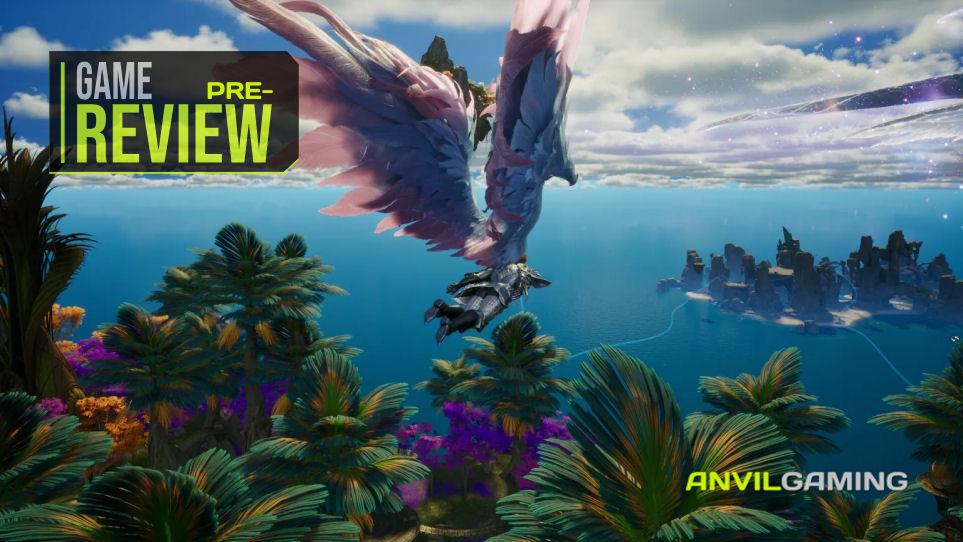
Aion 2 finally lets you fly almost anywhere you like, and I don't entirely trust it.
Not because I don't want it. I played the original Aion when it launched in the West in 2009, back when a new pair of wings came with about sixty seconds of flight and a firm reminder that gravity still applied. I have wanted to fly properly in Atreia for a very long time.
The trouble is that Aion 2 is already out in Korea and Taiwan, and its launch there in November 2025 went about as smoothly as a Daeva whose flight timer has just run out. That leaves a rather awkward question for the rest of us: are we getting the Aion I remember, or the Aion Korea got?
We won't wait long to find out. Founder's Pack owners get in on 30 September, and everyone else can download it free on 5 October, on PC through Steam and NC's own PURPLE launcher, with servers in Europe, North America, South America and Asia.
This is a pre-release assessment. It draws on my time with the original Aion from its 2009 launch, on NC's open Launch Scale Test on 17-18 September, which was capped at level 37 with the shop and market switched off, and on NC's published plans for the global release as they stood on 24 September 2026. A full review follows once the live servers have had time to settle.
It is far too early to call Aion 2 a good game. The scale test stopped at level 37 and nothing in it could be bought, so the two things that decide an MMO's long-term health - the endgame and the shop - are still behind a locked door.
What I can say is this: the flying is the thing the original always promised, and the shop is the thing Korea spent a week shouting about.
Download it on 5 October if you loved Atreia. It costs nothing to try, and the first few hours are the best argument the game has. Skip the Founder's Pack unless five days of head start and a few cosmetics are worth real money to you. And if you plan to trade or play seriously, count the $15-a-month membership as part of the real price, because the player market sits behind it.

A pre-review is usually guesswork with good manners. Aion 2 is different, because it has been live in Korea and Taiwan since November 2025, and we know exactly how that went.
It went badly, then profitably.
Launch week brought server queues, a login bug and, most damagingly, gear-enhancement items in the cash shop, shortly after NC had told players its monetisation would be lighter and friendlier. NC's share price dropped by about 15% that week, and the development leads apologised on a livestream. They pulled the offending bundles, gave the enhancement items to every player free, scrapped skill reset costs and halved the price of cash-shop consumables.
Then, by NC's own account, the game made more than KRW 100 billion in its first 46 days, and more than a million characters bought a membership.
So the global version doesn't arrive as a blank slate. It arrives with a record, and NC knows precisely which week it doesn't want to repeat. So do I.
One more thing some readers will want to know: NC's Steam page states that the game's Arcana card designs and some icons use AI-generated assets.
The original Aion launched in North America on 22 September 2009, with Europe following a few days later. It ran on CryEngine, charged a monthly subscription and arrived on the back of more than 400,000 pre-orders. I was there for the head start, when NCsoft was raising the population caps a little at a time - sensible engineering, and deeply irritating when you're sitting in the queue.
You picked one of four archetypes: Warrior, Scout, Mage or Priest. Around level 9 you took the quest that turned you into a Daeva and split your archetype into one of two classes, and at 10 you got your wings.
The first ten levels were lovely. Somewhere around 20 the quests thinned out and the grind began, and Aion's grind is the kind people still describe with a slight twitch. The reason to push through was the Abyss, which you earned at 25 with a flying test through a set of rings. It felt like a driving test for angels. Beyond it lay the real game: Elyos, Asmodians and the Balaur, all fighting over fortresses in the sky.
Within a couple of weeks of launch, chat was mostly people selling Kinah. Level-1 characters whispered offers, mail turned up titled "sorry to bother", and when NCsoft blocked whispers below level 5, the spammers simply levelled to 5.
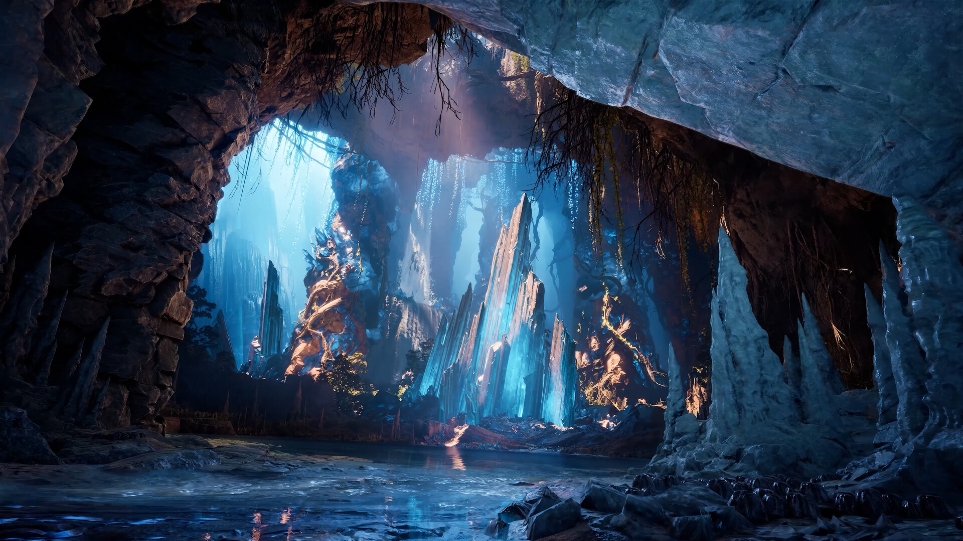
None of that stopped Atreia being one of the best-looking, strangest worlds an MMO had offered at the time. Aion 2 doesn't have to invent a reason to care about the place. It just has to stop getting in the way of it.

In 2009 you earned your wings around level 10, along with about sixty seconds to use them. Sixty seconds is long enough to feel magnificent and short enough to learn exactly how far a Daeva can fall. You weren't allowed to fly in the capitals at all, and plenty of open-looking sky had an invisible wall waiting in it.
In the scale test, the wings arrive almost immediately. Press V, take off, and the world opens up underneath you. I kept flying towards the edges, waiting for the invisible wall.
It never came.
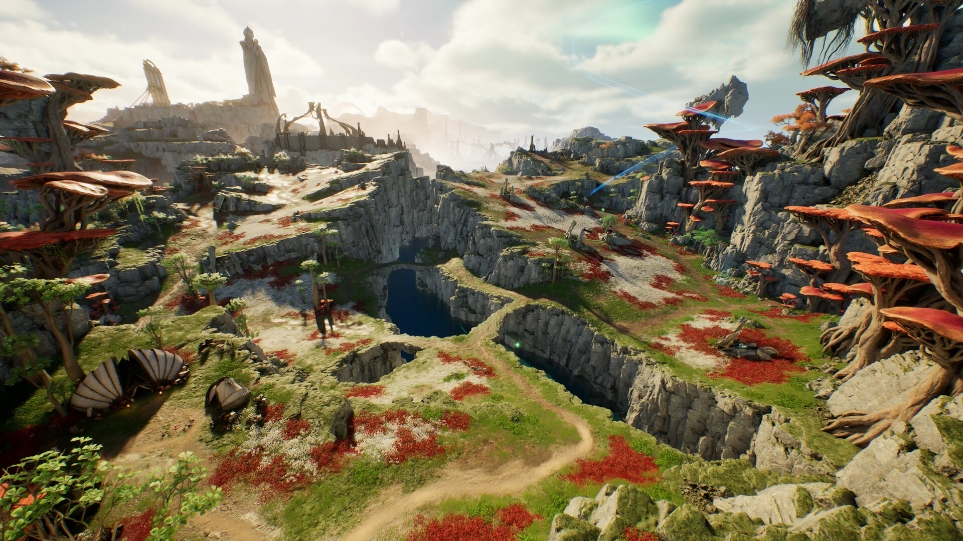
There's a stamina bar now instead of a sixty-second timer, and hardly anywhere tells you to land.
NC has built combat around the same idea, so a fight can happen in the air instead of politely waiting for you to come down.
Aion 2 lets you fly nearly everywhere. I have been waiting a very long time to type that sentence.
If you played in 2009, the class list will look very familiar. Aion 2 launches in the West with the same eight: Gladiator, Templar, Assassin, Ranger, Sorcerer, Spiritmaster, Cleric and Chanter. The difference is that you pick one directly, instead of choosing an archetype and waiting until level 9 to find out who you are. Korea has reportedly added a ninth class since launch; NC hasn't said when, or whether, it comes West.
Before any of that, there's the character creator, which is absurdly deep. You can adjust individual muscles, which is more attention than I've ever paid my own. Most of the server used that freedom to build the same immaculate pop idol.
Combat is where my enthusiasm levelled off. You can play tab-target or action mode, and both work, but neither quite lands. Most early monsters go down in two or three hits, plenty won't fight back unless you start it, and the hits don't have the thump I wanted. It's pleasant. It's also rather easy.
Two smaller irritations: I couldn't find the transmog menu for longer than I'd like to admit, and there's no obvious way to switch off the nameplates hovering over everyone's heads.
To be clear about the limits, the test stopped at level 37, so the harder dungeons and the full class kits are still unseen. MMOs are usually kind in their early levels. I'd rather judge this combat when it's allowed to be unkind.
This is the question I care about most, and it's the one nobody outside Korea can answer yet.
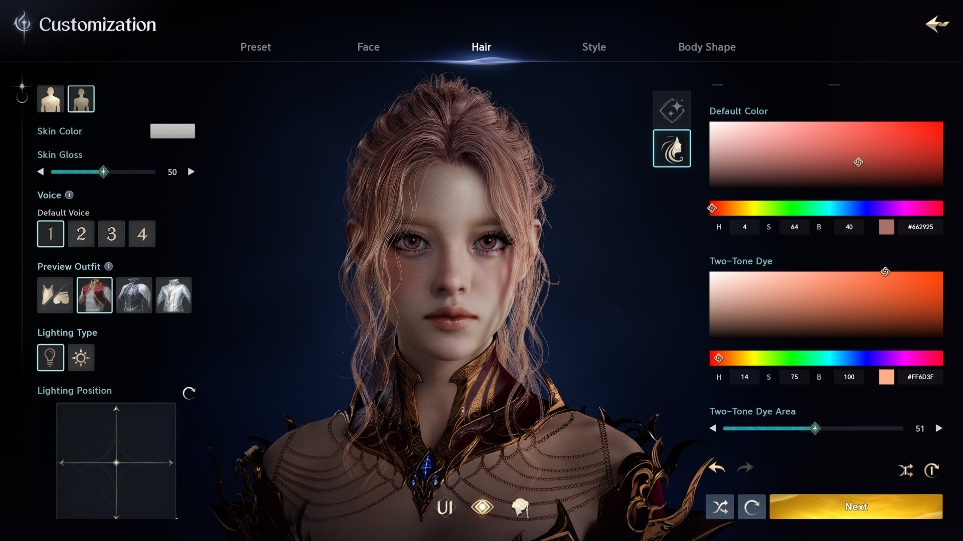
The original's early levels were a joy and its middle levels were a job. The complaint at the time was blunt: almost every system turned into a grind well before the level cap. NCsoft spent the following months adding rested experience and better drop rates to take the edge off.
Aion 2's global version makes some promising noises. NC has cut the maximum pet level from five to three for the West, specifically to reduce grind.
The quests, meanwhile, are exactly what an Aion veteran expects: someone, somewhere, would like ten of something killed. That was fine for 37 levels. Whether it's still fine after a few weeks is what I'll be checking first.

The Abyss was where the original Aion made its case. It was also where a much higher-level player could turn up in your zone and ruin your evening.
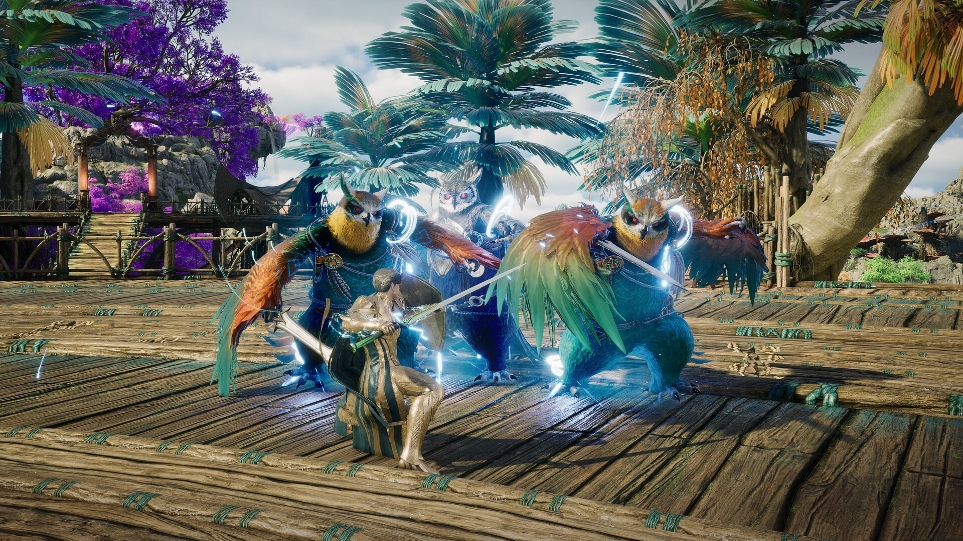
Aion 2 keeps the Abyss as the war zone but softens the edges everywhere else. Outside the Abyss, open-world PvP sits behind a flag you choose to turn on. There are objective-based 10v10 battlegrounds with normalised stats, so gear doesn't decide the fight before it starts. And the global version enlarges the groups: dungeon parties go from four players to five, and the first raid from eight to ten.
That's good news if you want to quest in peace. It's slightly less good news if your fondest Aion memories involve being hunted across a quest zone by someone thirty levels above you.
Aion 2 is free in the sense that downloading it costs nothing. Trading on the Market, using the currency exchange and dealing with other players all need a membership, which NC prices at $15 a month. In 2009 we paid a monthly subscription, and at least it was called one.
The cash shop sells cosmetics - outfits, wings, pets and weapon skins - plus consumables that NC says don't affect gear progression. There's also a per-character Daeva Pass with free and paid tracks, and NC's own description of it includes "upgrade materials" without saying what they upgrade. That is exactly the kind of phrase I'd like explained before launch, not after.
The global plan is clearly gentler than Korea's, where two stacked memberships were estimated to run to $40-50 a month before you'd touched a pass. But nothing in the scale test could be bought, so none of this has been seen working. The shop opens with early access on 30 September, and it's the first thing I'll be reading.

Aion 2 is an Unreal Engine 5 game with a 100 GB install, and NC recommends an SSD. The published requirements:
In the scale test, it ran smoothly for me, apart from a little stutter in the main town. If your drive is already crowded, the 100 GB is the number to plan around first.
NC lists three Founder's Packs on Steam: Standard at $24.99, Deluxe at $49.99 and Ultimate at $99.99. All three include early access from 30 September to 4 October, 30 days of membership and an exclusive title. Deluxe adds an armour set and a weapon skin. Ultimate adds a second armour set, a Black Dragon pet and a set of wings. NC says the pack cosmetics won't be sold separately in the shop.
The 30 days of membership is the real value. If you were going to pay for your first month anyway, the Standard pack is effectively that month with a head start and a title attached. The higher tiers are cosmetics, and cosmetics are worth exactly what you think they're worth.
Founder's Pack and membership prices are NC's own US list prices, checked on 24 September 2026.
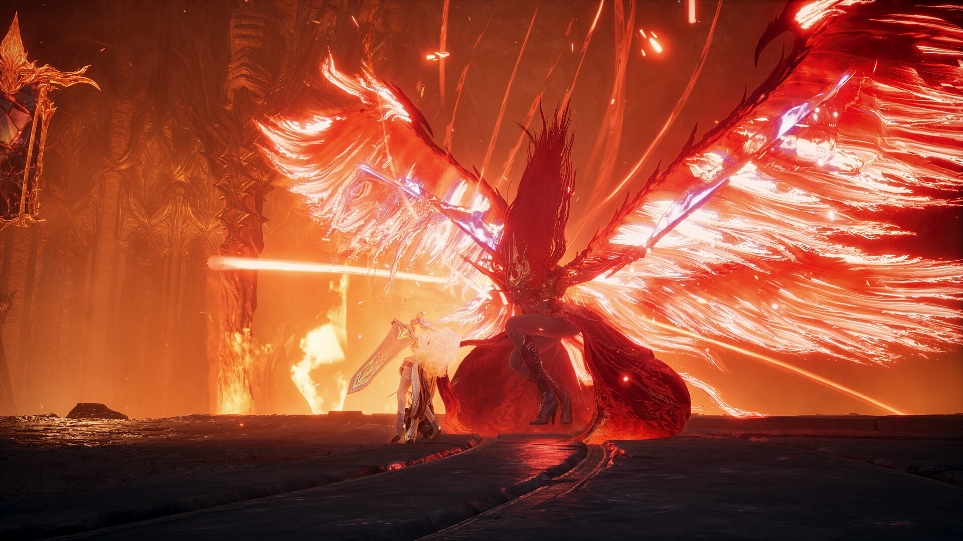

Aion 2 is the rare pre-review subject that comes with evidence: a sequel to a game I played at launch, already live in another market, with a very public record of what went wrong there.
The early signs are good where it matters most. The world is open, the flight finally delivers what the original promised, the soundtrack is the thing I didn't expect - it's beautiful - and the global version has visibly been reshaped by Korea's first week: bigger groups, a PvP flag, normalised battlegrounds, and a membership that costs a fraction of Korea's.







Subnautica 2's Buddy System update is here, bringing a host of new co-op features including proximity voice chat, player revives, trading and emotes. We dive into what's new, what it means for multiplayer, and why having a friend nearby might actually make the terrifying ocean slightly more manageable.
Read More
Medieval Dynasty combines survival, crafting, farming and settlement management into a remarkably cohesive first-person experience. We build a settlement from the ground up, recruit its residents, manage its production and see why Render Cube's continued support makes this medieval world so easy to return to.
Read More
SEED turns work, trade, and survival into a genuinely shared society, but its rough interface and recently troubled economy make this an exciting, qualified recommendation.
Read More
Subnautica 2 takes everything that made the original underwater survival adventure so compelling and drops us into a new alien world, with co-op finally joining the expedition. Beautiful, atmospheric and wonderfully addictive, it is already an excellent survival game despite being in Early Access. We dive into exploration, base building, survival, creatures and whether Subnautica 2 is worth buying now.
Read More
The Legend of Zelda: Ocarina of Time returns on Nintendo Switch 2 in November 2026. We look back at the 1998 classic, examine Nintendo's changes and consider whether this remake can modernise a beloved adventure without losing its identity.
Read More
Valheim has finally reached 1.0 after five years in Early Access, but for players who have been there since the beginning, the appeal remains much the same. We look at why Iron Gate's survival game continues to bring us back, from its brilliant building system and rewarding exploration to combat, survival, co-op and the new Deep North.
Read More