
GAMING
Loading





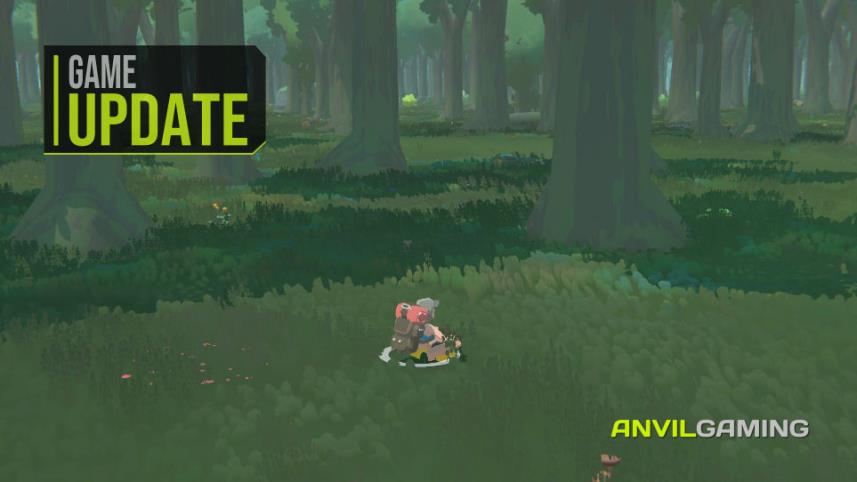
SEED is a life simulation with no avatar. You direct several people rather than playing one: you set their schedules, and you can pull any of them onto a job on the spot. What you never do is walk around as anybody. They keep living whether or not you're logged in, and one in-game day takes one real hour - so an ordinary night's sleep is about eight days on Avesta.
That single fact explains almost everything strange about this game.
Klang describes the Cultivator as "a planner and designer of life on Avesta, managing your Seedlings' needs, schedules, employment, society roles, and more." You're unseen, but you are not hands-off. You can talk to your Seedlings through chat, and you can take one off its schedule and put it on a job then and there. What you cannot do is inhabit one. There is no body to steer and no camera behind anybody's shoulder, and that is the difference that matters.
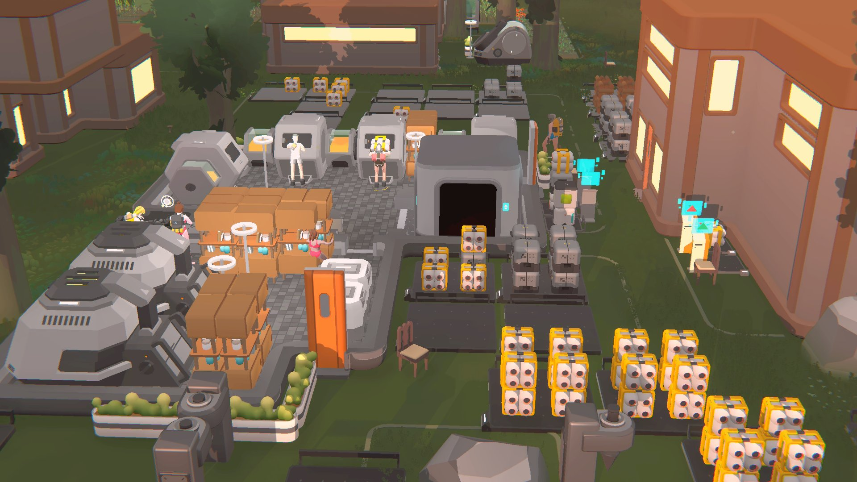
This is the part that most people bounce off, and it's worth being honest about before you spend money. If what you want is to press W and walk somewhere, SEED will feel like arguing with a spreadsheet that has opinions. What you actually do is arrange the conditions - build the shelter, stock the water, set the schedule - and then watch people use them, badly at first.
The stated goal is to guide Seedlings "as they are born, grow, and eventually die, helping them achieve their dreams." It is closer to Dwarf Fortress than to The Sims, and closer to EVE Online than to either, which makes a certain sense once you know two of Klang's founders came from CCP.
The clock is the design. One real hour is a full day on Avesta.
Log off for a working day and roughly a week and a half passes. Your Seedlings will have eaten through stores, finished jobs, slept, argued and possibly changed careers without asking. Seedlings also earn autonomy on a clock - the game's character data sets it at 24 hours, then 72, then a full week - and each stage takes more decisions without asking you, job changes included.
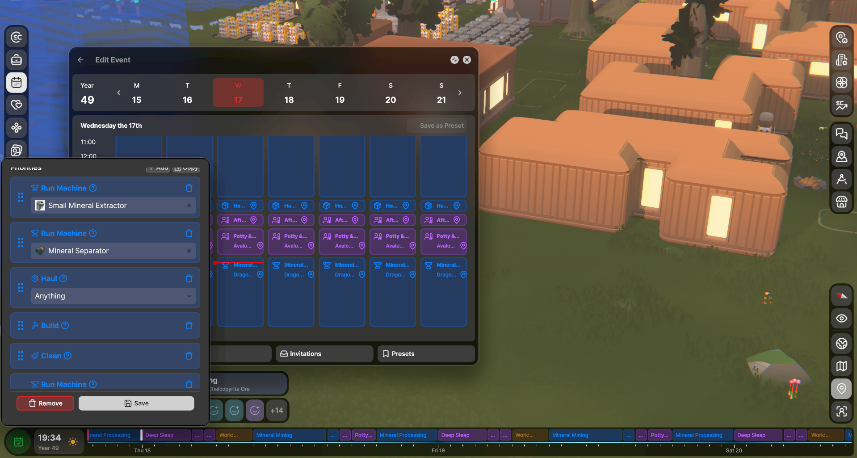
This is why the game's central skill isn't reflexes or build orders. It's leaving instructions good enough to survive your absence. The Scheduler - where you set activity priorities, up to twenty per list - is the tool that does most of the work, and getting comfortable with it is more or less the whole learning curve.
Seedlings age. When one dies, it's permanent, and everything they knew how to do goes with them.
Before death there's a warning stage: starvation, dehydration or untreated illness causes a collapse rather than instant death. Another Seedling - anyone's, not just yours - then has 24 real hours to attempt a revival. Success depends on the rescuer's First Aid skill. Nobody needs to bring supplies; they just need to be there.
Note what that does socially. Your survival is partly held by strangers who happen to live nearby. Building somewhere isolated is not a playstyle choice in SEED, it's a risk assessment. Klang lists player interdependence as a design pillar, and this is where it stops being a slogan.
Klang's Steam page says "every item in Avesta is gathered, crafted and sold by players." That is the pitch, and it is very nearly true. The exception is important enough that you should understand it before planning a business around anything.
Seed Industries is an NPC trader sitting inside the ordinary marketplace, listed alongside real players in both the supply and demand columns. Its stock never runs out and its buy orders always pay out - the help centre calls fulfilling them "a reliable way to earn SeedCoin." What it will not do is buy anything you happen to have. It posts orders for a set list of goods, so "guaranteed income" is really a short list of things worth making, and it is worth reading that list before you build a production line aimed at it.
The catch is the pricing, and it's deliberate. Klang's design log - written in August 2025, so treat the specifics as dated - sets the rule out plainly: NPCs sell "at a price much higher than it costs to make them" and buy "for a price much lower than their manufacturing cost." The spread exists so the NPC never outcompetes real people. Klang calls the whole arrangement a "support structure" and a "safety net," and is explicit that it "isn't meant to replace" player trade.
So Seed Industries is the floor, not the market. Selling to it is the worst price you will get and the only one you are guaranteed. Buying from it costs the most and is the only stock certain to be there. New players lean on it; established ones use it to dump surplus and plug gaps.
Two details show Klang actively steering it. In 0.3.2 it moved upstream - trading Retted Flaxa instead of Fabric, Wood Poles instead of Sanded Wood, and dropping Glass entirely - which pulls it out of competition with player manufacturing and back toward raw supply. And Auto-Restock, the automation most production runs on, can buy only from your own society and Seed Industries, never the global market. That quietly makes an NPC the default supplier for anyone automating.
That is also the clearest reading of what the whole thing is for. A new Cultivator's first Seedling arrives with 2,500 SeedCoin and nothing else. Everything after that has to come from somebody - and if every somebody is another player, the total amount of money on Avesta never grows. Seed Industries is where new SeedCoin enters the economy at all, which makes those unattractive buy prices less like a bad merchant and more like the rate the mint pays.
Three more things about supply, all of which shape where societies end up:
Settlements grow through tiers - Expedition, Camp, Settlement, Town, City, Metropolis - and each tier unlocks more roles and capacity.
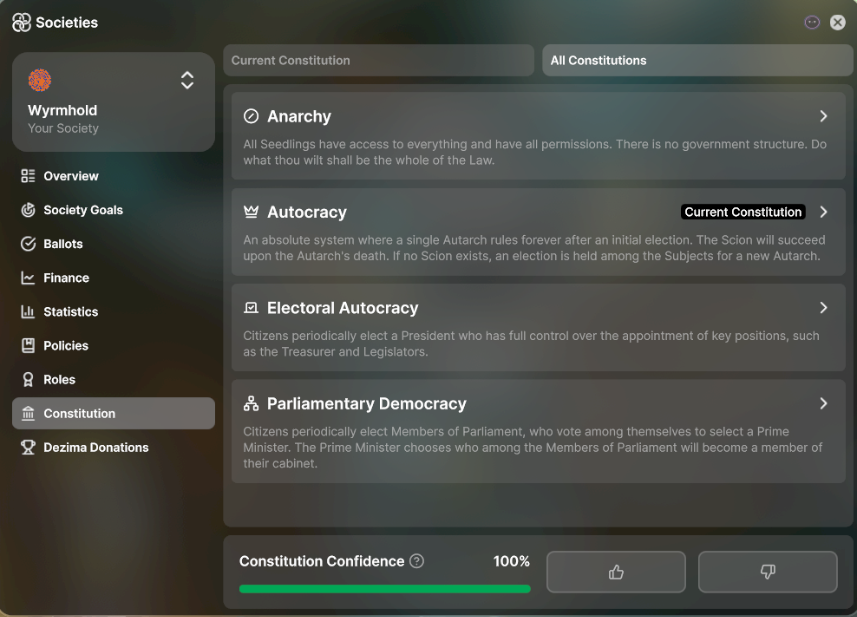
Governance is genuinely modelled. A society picks one of four constitutions: Anarchy, Electoral Autocracy with a President, Autocracy with an Autarch and a named Scion to succeed them, or Parliamentary Democracy with MPs and a Prime Minister. There are appointed officials - Treasurer, Legislator - and version 0.3.2 added elected Judges at City tier, up to five, with the power to designate someone a Criminal.
There is also the sort of rule that tells you what's been happening. In 0.3.3 Klang capped any single Cultivator's votes at 15% of a society's population, which is not a change you make unless somebody has been buying elections.
We've been running a society on Avesta since Early Access opened. It has held exactly one election, and there were two of us voting, which we mention because it makes the useful point: the whole apparatus - leader, officials, departments, wallets - works at a scale of two people and does not need a crowd to be worth using. Our leader was elected unopposed and remains, as far as we can tell, popular.
The part that actually surprised us was departments. A society can create up to ten, each with its own wallet, roles and property - in ours, a department is listed as the outright owner of two workshop buildings. That matters because Klang's rules are explicit that a business can only be owned by a single Seedling: "societies, departments, and groups cannot" own one. A department is how several players run something jointly anyway.
The catch is who gets to make one. Departments are created by the society's Mayor, and running one requires a Seedling the Mayor has granted a leadership role to. It is not a tool every player can reach for - it's a tool the leadership hands out.
Which is the clearest answer to anyone wondering whether the politics in this game are decorative. Whoever holds the society decides whether shared enterprise is possible at all, and that is a far more consequential thing to vote on than a title.

Early Access opened on 21 July 2026, and Klang has shipped four releases in the six weeks since - 0.3.0 at launch, then 0.3.1, 0.3.2 and 0.3.3 by the start of September. That's a fortnightly-or-faster cadence on a game this structurally complicated, and the notes are substantial rather than cosmetic: territory claiming, an in-game event, governance changes, an economy rebalance.
The communication has been better than the cadence. When the marketplace went wrong in August - orders sticking, SeedCoin locked up on trades for over a week - Klang published a post called "The State of the Market" that did the thing studios almost never do. It separated what they knew was broken from what they were working on from what they had no fix for. It admitted the previous approach had failed: "we listed 'market fixes' in a patch note, and some people assumed it covered their particular problem… That sucks, so let's try and avoid that!" And it committed to a date rather than a sentiment - "we'll have an answer for you by August 28 2026 – not a vague 'we're looking into it,' an actual answer."
You can argue about how long those bugs took to fix. You cannot accuse the studio of hiding. Klang runs an official Discord where the developers are present, and the patch notes read like they were written by someone who actually plays the thing.
Our own society was affected by the market problems and found them a minor inconvenience rather than a disaster, for a reason worth passing on: we were building nearly everything we needed between ourselves. How much the market's troubles hurt you depends almost entirely on how dependent you are on it - which is itself a strategic choice you make early, and mostly by accident.
Now the honest part, because you should know what you're buying. This is an Early Access game and it feels like one. The most-cited complaint across reviews is the AI-generated dialogue, which Klang discloses on the Steam page and which reads as stilted whenever a Seedling says something a person wouldn't. The character models are not going to win anything.
What none of that criticism has managed to dent is how much time people put into it anyway. TechRadar's reviewer spent a month building a metropolis with strangers before writing anything, and landed on "imperfect yet addictive" - a fair description of an evening that begins with checking one Seedling's schedule and ends two hours later having redesigned a district. We spent our own first month on rental property, housing lots and base construction materials, which is not how anybody describes a game they had to make themselves finish.
Everyone else - particularly if you liked Dwarf Fortress, RimWorld or the political end of EVE - will find nothing else quite like it.
SEED is PC and Mac, bought through Klang's own SEED Launcher rather than Steam. The Steam page exists but is unreleased, with Klang saying later in 2026. The entry Starter Pack runs around €30 as of September 2026 and includes a Cultivator licence, one Platinum slot and one Seedling Life. There's also an optional monthly membership listed as coming soon, at roughly the price of a normal subscription - worth knowing about before you decide this is a one-time purchase.
Prices and packs are Klang's own and they've changed once already, so check the official page before buying. Game status and version data checked 2 September 2026.
If you've decided to try it, start with our SEED beginner's guide: your first hours on Avesta, which covers what to do in the first sessions and what not to waste time on.








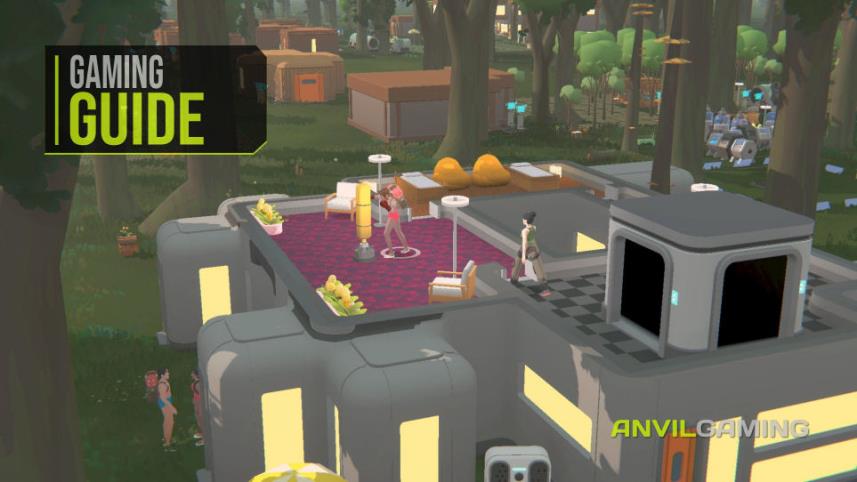
What a Seedling does while you are away in SEED — what keeps running, what it decides for itself, what degrades and how fast, and how to end a session so you come back to a life rather than a mess.
Read More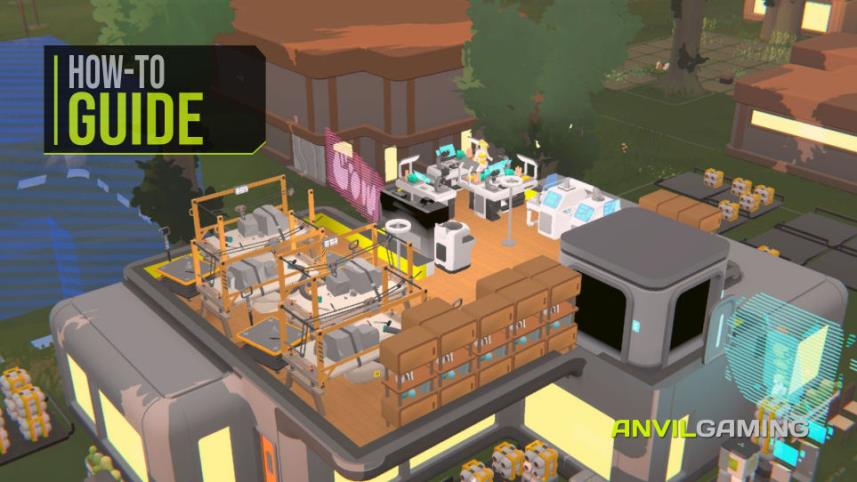
Every crafting task in SEED shows three times, and most players read the wrong one. Total Time only says when the output appears - Work Time is what the job actually costs your settlement. Read them that way and the obvious recipe is often the expensive one.
Read More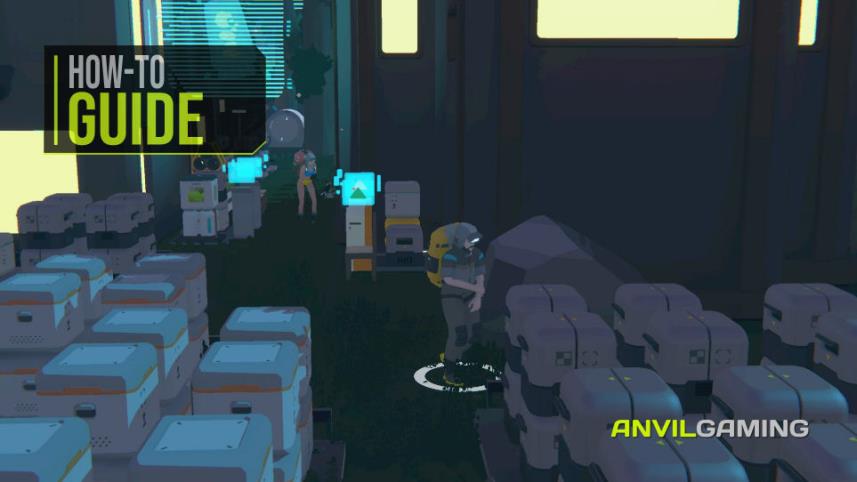
Health in SEED is not a bar you refill. It is a system of specific conditions, severity tiers and sixteen medical specialisms — and the serious end of it depends on other people.
Read More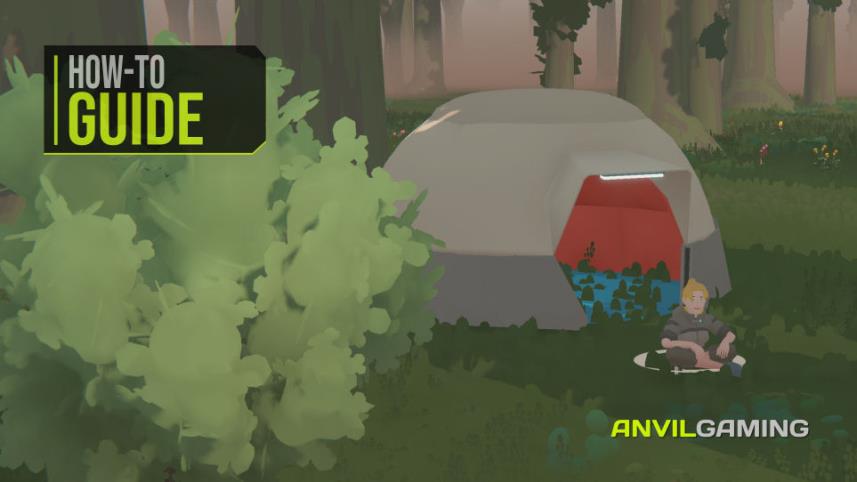
An onboarding guide to a new player's first hours in SEED on Avesta: what a Seedling actually is, the survival mistakes that cost a day, why the Scheduler matters more than anything you build, and what to ignore until later.
Read More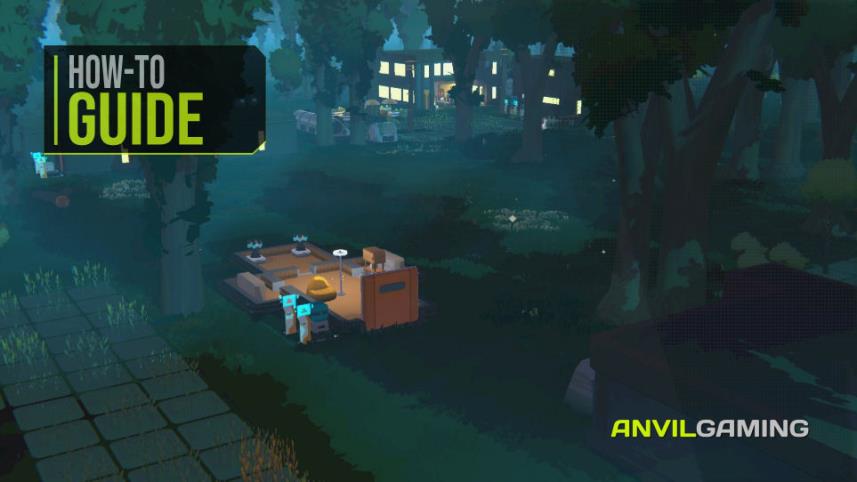
A SEED hospital can have a skilled doctor, medicine on hand, and opening hours, yet still collect one-star 'wasted visit' reviews. This guide turns seven weeks of community troubleshooting into one current setup for services, staffing, stock access, and patient schedules.
Read More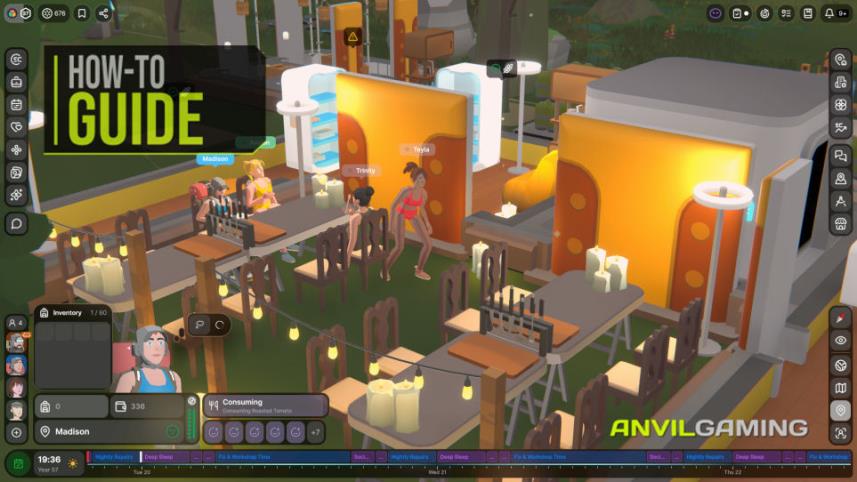
Your Seedling isn't lazy - it's following orders. Every event in SEED's Scheduler has its own priority list, and anything past the top few is wallpaper. How events work, why needs deserve their own hour, when a direct order beats the schedule, and a week you can copy.
Read More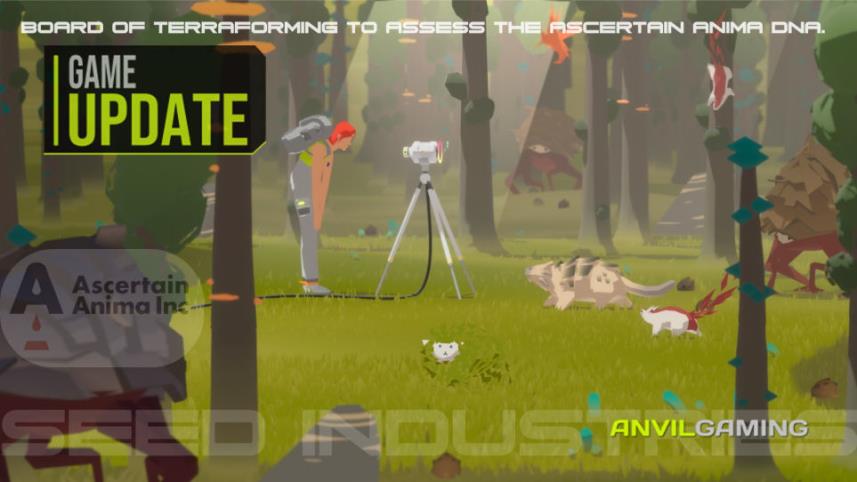
SEED's Dezima Donations event is coming to an end, but the story surrounding it may be far from finished. Spark posts have revealed an Axiom attack, a laboratory breach and DNA reaching Avesta's surface. Now, with a suspicious image showing animals and an unexpected reward teased, we investigate whether Klang has been quietly preparing the planet for new life.
Read More
Klang named its own broken system in public and came back three days later having fixed it four separate ways. The fix list is long enough to finally itemise what trade was costing people. The drone rebalance is the bill, and it charges only those who tidy up.
Read More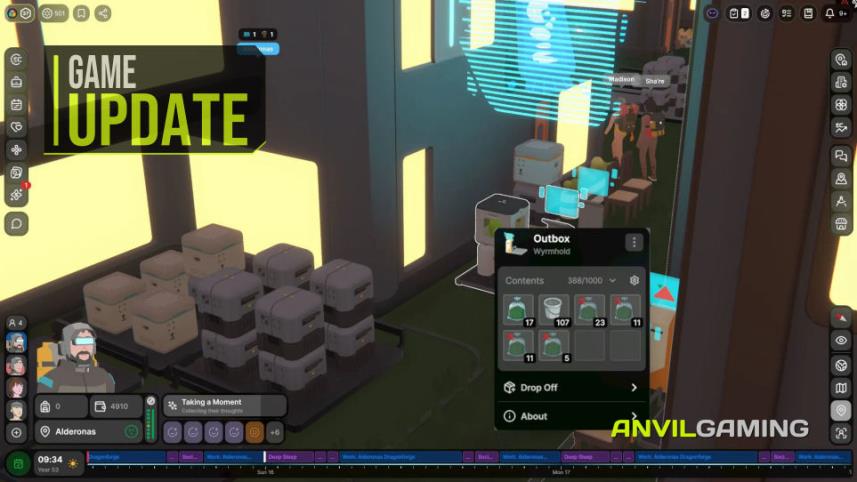
Klang says SEED market failures have fallen from roughly 20% to 4%, but that is not an all-clear. Buyers need free inbox space and scheduled haulers, while responsibility for a lost shipment can change at the Spaceport. Here is who carries the risk now.
Read More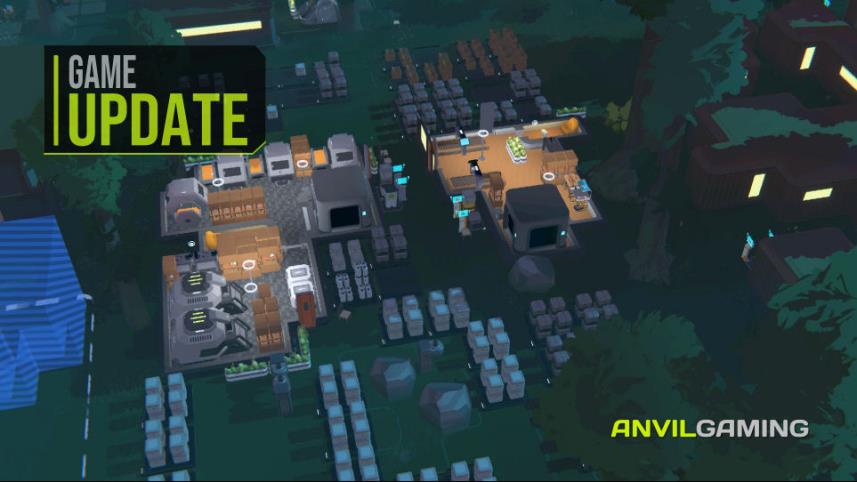
SEED 0.3.4 takes rare ore out of repairs, teaches schedules to explain their failures and stops trees growing back. It also rebalances storage - and because the new capacities only apply to containers you move, tidying up is now the most expensive thing you can do.
Read More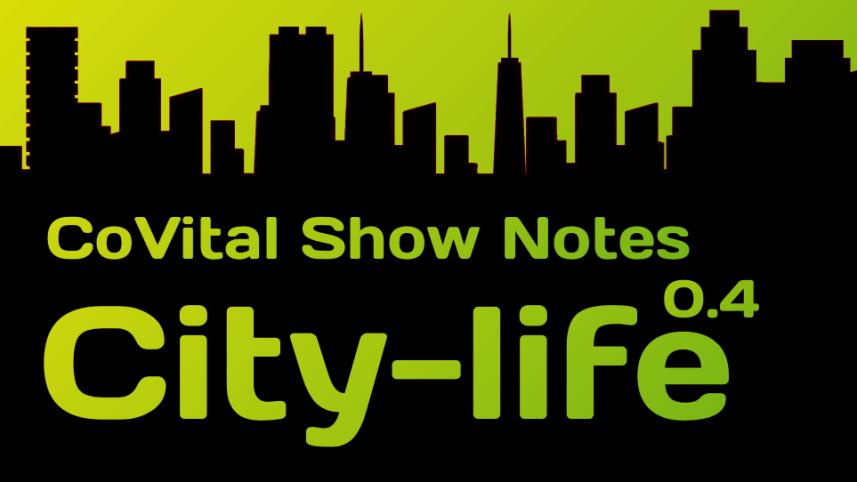
Mundi hosted the Covital Show on SEED's official channel and put the roadmap on screen. 0.4 is City Life - law and order, electricity, organisations, building subdivision, bars. And the board says we are nowhere near the end of it.
Read More
SEED 0.3.3 caps a single Cultivator's votes at 15% of the society population, puts a price on firing a Seedling, and spends the rest of a very long changelog teaching the game to explain its own failures.
Read More
Wyrmhold does not run open recruitment. We take people for a need, after a conversation. This is what the Hold expects of a resident, what it provides in return, who it is honestly not for, and where to come and talk to us.
Read More
Wyrmhold is our society on Avesta. Its founding stories are not decoration - each one encodes a SEED system that will decide whether your own society survives. Here are three of them, and what they are really about.
Read More
The first record of what Wyrmhold actually did. One month, almost no visible expansion, and a great deal of infrastructure - the survey, the Kernel, the Dragonforge Ward workshops, the Elderwyrm department, an election, and the Hold's first registered business.
Read More