
GAMING
Loading





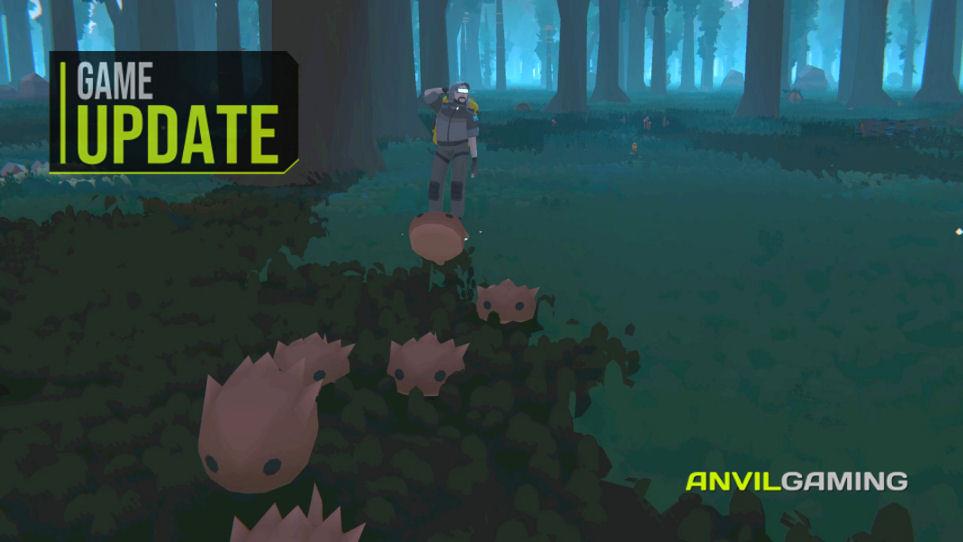
Avesta has animals.
Not a concept image, not a Spark post, not a tile on a roadmap. SEED 0.3.7 puts wild Anima Herds on the planet: Avestan mammals that move as a group, are "famous for their hop", and can be spotted wandering the landscape, especially around water ponds. For the first time, something hops around Avesta that no Cultivator is responsible for.
Then there is where Klang says they came from. The herds, according to the notes, originated from Bay 4 on Dezima around year 46 of the Founders era, after an attack led to a leak of DNA to the planet's surface. If that sentence sounds familiar, you spent August donating to it.
The rest of the patch is less furry and more useful than it looks. A returning player now gets about two real hours to answer a Seedling before it decides something on its own, up from about ten minutes. A large tree can now drop seeds for another large tree. Land can be claimed from a distance, and the suggested territory value drops tenfold.
We have not played 0.3.7. Everything below is read from Klang's published notes, with the autonomy figures checked against SEED's own character data as it stood before this patch.
For a month, Dezima Donations looked like a resource drive with a leaderboard. Axiom attacked Dezima, Seed Industries asked for materials, societies climbed a table, and the prizes were statues.
Seed Industries' Spark posts were telling a second story underneath it, and on 17 September DancingCoder followed the trail. Seed Industries needed enough Board Computers by year 46 to secure Bay 4. It did not get them. The breach hit the Ascertain Anima section, home to a flora and fauna DNA bank. DNA reached the surface. The Board of Terraforming would announce whether it was trackable, and "an unexpected reward" might appear on the planet. The picture beside that announcement was full of creatures.
Now read 0.3.7's lore line again: Bay 4, year 46, an attack, DNA leaked to the surface. And the animals are called Anima Herds.
Klang does not say the herds are the unexpected reward, and the notes never mention the donations. So we will say it for them: the bay, the year and the name all match the story Seed Industries told through the event, and we are treating the Anima Herds as its payoff until Klang says otherwise. When the event closed on 22 September with no animals in sight, DancingCoder called the theory unproven rather than wrong. Six days later, it hops.
It is also a very good way to add animals to a game. Klang could have shipped a creature pack with a trailer. Instead it spent weeks making players part of the reason the creatures exist. If your society held on to its Board Computers during the event, congratulations: you may have helped let them out.
That is everything the notes say about the herds: wild, moving in groups, hopping, fond of ponds, and from Dezima. Nothing about whether a Seedling can interact with them, hunt them, tame them, eat them or be hurt by them. Nothing on whether they breed, die or come back, or how many there are.
Two small clues, both our reading. The notes' own lead-in calls them "the Founders Era's first animal", and "first" is a word that implies a second. And the Dezima reward image showed more than one kind of creature, including flying ones and something distinctly crab-like. Neither is a promise.
For now, treat the herds as something to go and see, not something to plan a business around. Start at the water.
This is the change most players will feel, and Klang gives it two sentences.
When a Seedling reaches a decision it would otherwise make on its own - Klang's example is applying for a job - it gives a returning player a window to react first. That window grows from about ten real minutes to about two real hours. For players who have been away longer, it grows from about five real minutes to about one real hour.
Ten minutes was barely long enough to log in, read the message and find the right panel. Two hours is long enough to finish your tea first. This is a proper fix to something that must have felt like the game going behind your back.
There may be a correction of our own in here, and if there is, it belongs in public. SEED's character data sets those two deadlines at 4 hours and 2 hours, and our log-off guide printed them exactly that way: a prompted Seedling "waits four hours for an answer; an assertive one waits two". Klang's old figures of about ten and five real minutes are exactly what 4 and 2 hours come to on Avesta's clock, where one real hour is a whole day. That points to those values being Avesta hours rather than real ones - which would mean the guide told you a Seedling waited four hours when it was really waiting ten minutes.
That is our interpretation as it stands, not Klang's. We have asked Klang to clarify how those values are counted, and we will update this article and the guide when it answers. Either way, the new windows are generous: two real hours is 48 of Avesta's.
The second change is for society leaders. Seedlings whose Cultivator never logged into their society used to sit at the lowest autonomy level forever. The notes say they will now eventually act on their own, applying for jobs for example. If your society has members who joined and never came back, their Seedlings are about to start looking for work.

Since 0.3.4, a harvested tree stays harvested until somebody plants a seed. The catch was that a large tree dropped the same seeds as the smaller ones, which as we read it meant a felled giant could be replaced by a tree, but not by a giant.
0.3.7 gives each large tree you harvest a 5% chance to drop three to ten Large Green Tree Seeds. A planted Large Green Tree Seed now grows through five visibly different stages - sprout, seedling, sapling, adult and mature - each with its own model.
Do the sum before you swing the axe. Five per cent means nineteen large trees in twenty come down without leaving a large seed behind. The oldest law in our own society is "never fully chop down a tree", and we would simply like to note, with no smugness at all, that the odds now agree with us.
Growing trees was one of the tiles at the 0.4 reveal, and JJ said on the first Notice Board that tree changes were coming. Five growth stages look like the first piece of that - our reading, not Klang's. What nobody has said is how long each stage takes, and that decides whether a large tree is a crop or an heirloom.
Three changes, and the third deserves a second look:
That last one is only a suggestion, and Klang says so: the value can be set to anything. But a default is the number most people accept, and anyone who accepted the old one signed up for 25,000 SeedCoin a day. Both of Klang's pairs work out at half a per cent of the value per day, so as we read it the tax follows whatever value you set. If you claimed territory at the old suggestion, go and look at what you set. The notes do not say whether an existing claim can be revalued.
Most of this section is the sort of change you only notice when you are the one running a society, and then you notice it a lot:
One fix changes who holds power. In a Parliamentary Democracy, the Prime Minister and the Legislator are now elected by Members of Parliament rather than by every Citizen, which is how a parliament is supposed to work. A newly founded society of that type can take up to 48 hours to elect its first Prime Minister, because that vote now waits for the MP election. Existing societies are "corrected automatically", and the notes do not say what that means for a Prime Minister already in post. If you live in one, check who holds those two offices after the patch.
The 0.4 reveal promised far finer control over permissions and more voting controls for organisations. Location rules with exceptions and a ballot counter look like early pieces of that, in the same way 0.3.6's roof utilities looked like early pieces of City Life. Our reading again, and we will find out when 0.4 arrives.

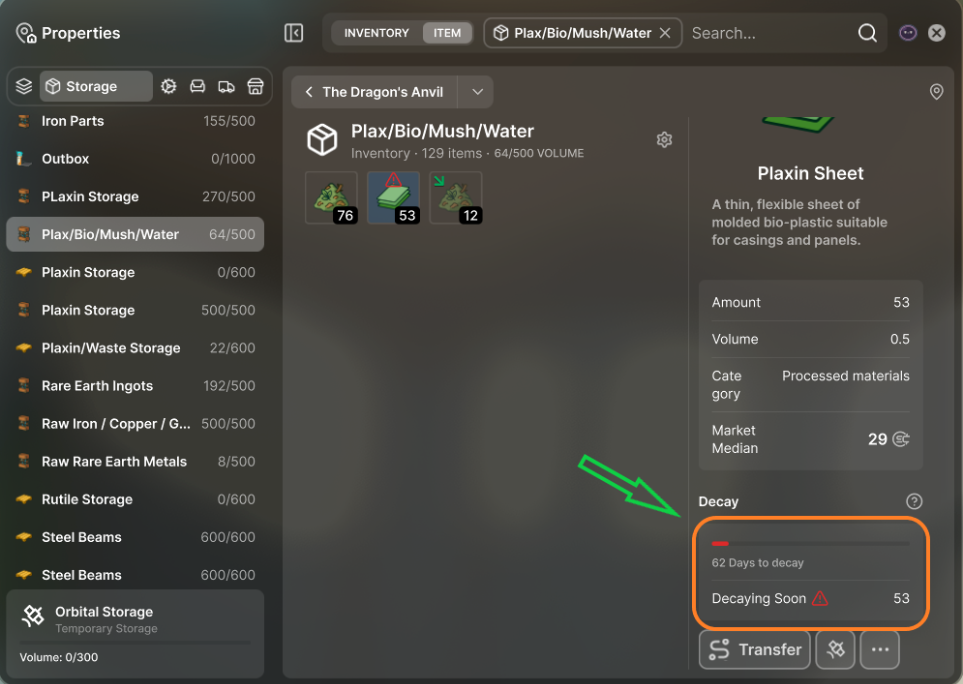
A resource pile whose hauling was interrupted - by a server update, for example - now becomes usable again within about ten real minutes, instead of staying reserved for up to seven real hours. Klang has patched about once a week all month, and every patch is a server update, so this fix pays out on every patch day.
Three more fixes in the same spirit:
That last one is worth watching. Performance and stability came top of the survey themes Klang went through on the first Notice Board, and its Top 25 carried a sector-wide freeze where the world stops for minutes and then catches up. The notes do not connect the two, and a client freeze on a long session is not obviously the same bug, so we will not claim it is.
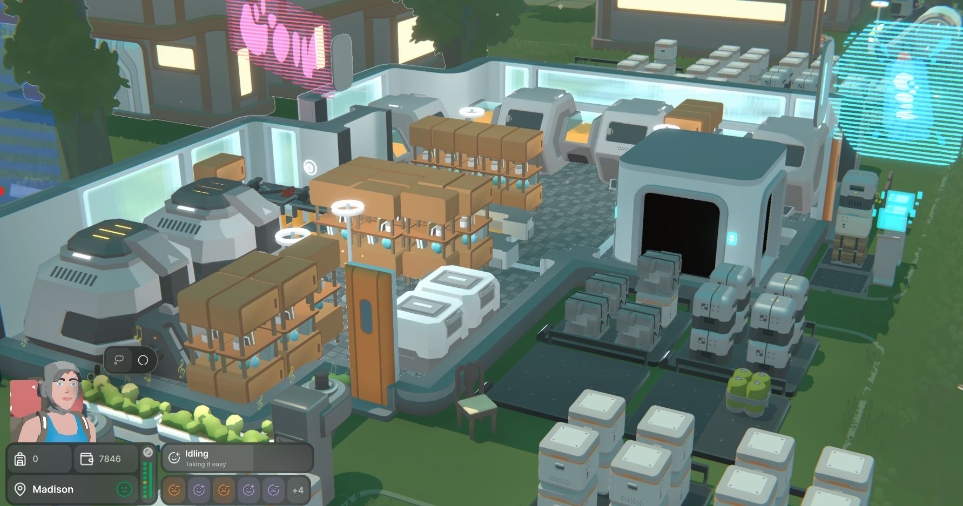
Anyone who has lost a Seedling behind their own wall will like this section.
Desktop and phone both learning to see indoors in the same patch is a neat piece of timing. Diorama is the one clinic owners and warehouse keepers will use every day.

What the herds are for. Scenery, a resource, a hazard or the start of something Seedlings will work with. The notes say where they wander and where they came from, and nothing about what happens when a Seedling meets one.
How long a large tree takes. Five stages and no timings. A giant that takes a real week is a plan; one that takes a real month is a legacy.
Which decisions get the longer window. Klang's example is a job application. Whether everything an autonomous Seedling decides now waits two hours, or mainly that, is not stated.
What "corrected automatically" did. For a Parliamentary Democracy whose Prime Minister was elected under the old rule, the notes do not say whether that Prime Minister stays.
Whether an existing territory can take the new default. The suggestion changed. Nothing says whether a claim made at 5,000,000 can be revalued.
Near the end of his Dezima piece on 17 September, DancingCoder wrote that if animals started appearing across Avesta, he would feel rather pleased that somebody had actually been reading Spark. The event closed without them, and a patch arrived six days later with a lore line that could have been lifted from his notes. The best thing Klang did in 0.3.7 was not adding animals. It was keeping the story it had been telling in the background, and rewarding the players who bothered to read it.

















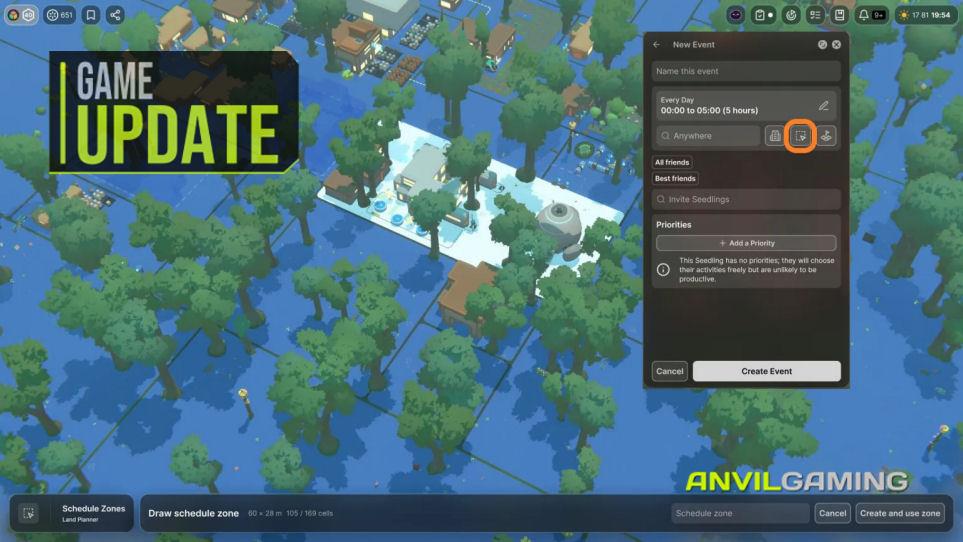
SEED 0.3.8 lets you draw a zone and send a Seedling to clear it, ends the storage grace period without losing anyone's goods, and lets you choose who inherits when a Seedling dies. We checked it against Klang's own top five problems. Four got real work. The fifth got Monkey Bars.
Read More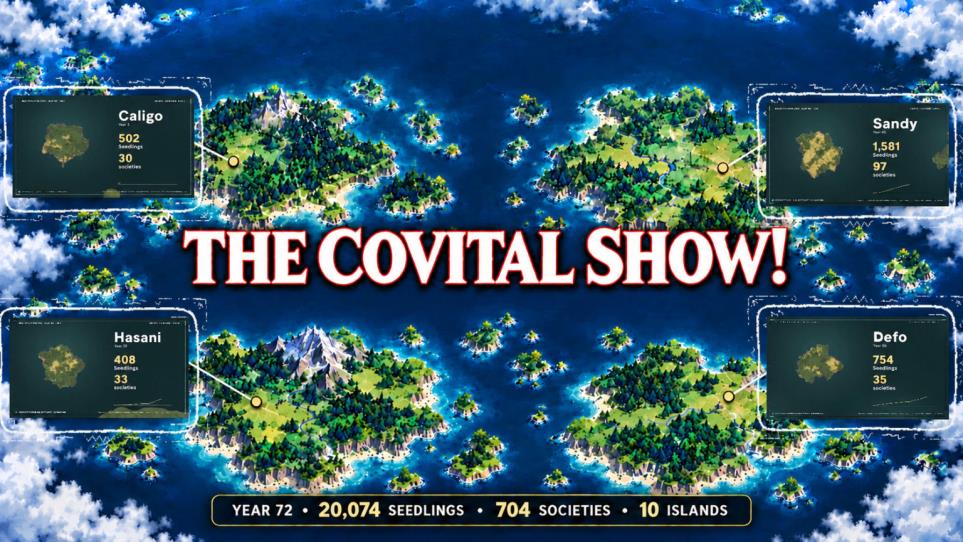
Klang's One World show was a party: island dance crews, a live poll, a PAM cameo. Between numbers, an engineer explained why drones get stuck, how a 520-shelf plot can make an island lag, and how close the MTU is. Our take: give your Seedlings a road and your duck a corridor.
Read More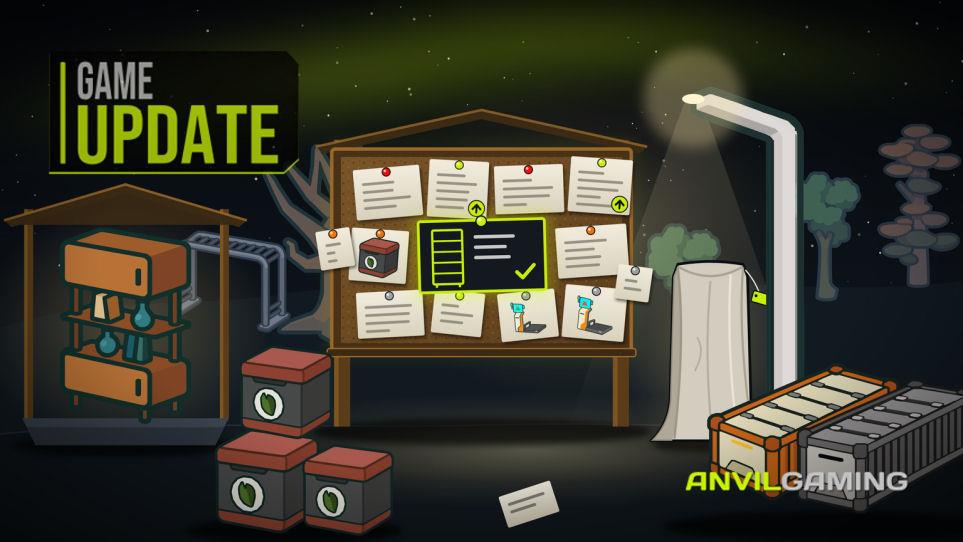
Last week storage topped SEED's wish list. This week Klang put a shelf on screen, art done and code under way, expected within a fortnight. Our one-week scorecard: the refunds landed, the bug list didn't come back, and the griefing response is still owed. Plus the herds and 0.4.
Read More
Klang's new Wednesday show opened with SEED's 25 worst bugs, ranked and explained how the ranking is made. By our count, market faults carry two-fifths of the pain, while storage dominates what players ask for. What was promised, what was not, and how to push a bug up.
Read More
Forty building attachments existed in SEED with no recipe to make them, and twenty-three more required rare ore. One patch fixes both. Underground water refills itself now, unless you stack pumps on it. The cheapest thing in this update is caring how your settlement looks.
Read More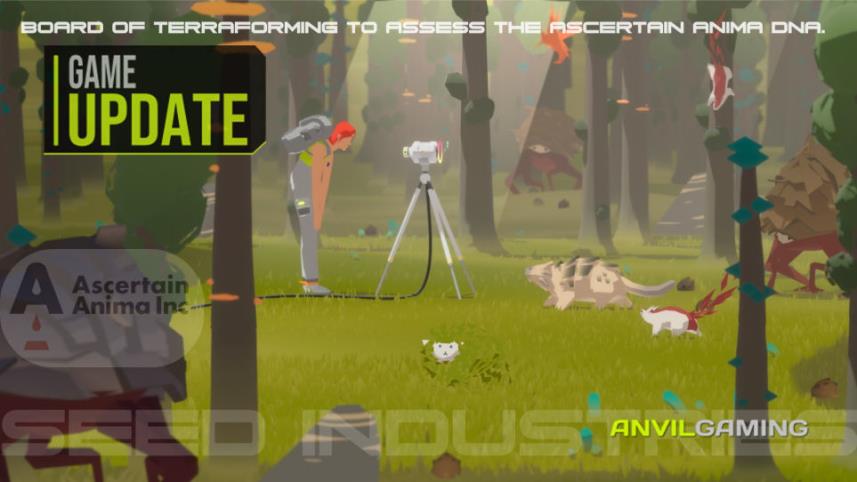
SEED's Dezima Donations event is coming to an end, but the story surrounding it may be far from finished. Spark posts have revealed an Axiom attack, a laboratory breach and DNA reaching Avesta's surface. Now, with a suspicious image showing animals and an unexpected reward teased, we investigate whether Klang has been quietly preparing the planet for new life.
Read More
Your Seedling isn't lazy - it's following orders. Every event in SEED's Scheduler has its own priority list, and anything past the top few is wallpaper. How events work, why needs deserve their own hour, when a direct order beats the schedule, and a week you can copy.
Read More
A SEED hospital can have a skilled doctor, medicine on hand, and opening hours, yet still collect one-star 'wasted visit' reviews. This guide turns seven weeks of community troubleshooting into one current setup for services, staffing, stock access, and patient schedules.
Read More
Every crafting task in SEED shows three times, and most players read the wrong one. Total Time only says when the output appears - Work Time is what the job actually costs your settlement. Read them that way and the obvious recipe is often the expensive one.
Read More
Health in SEED is not a bar you refill. It is a system of specific conditions, severity tiers and sixteen medical specialisms — and the serious end of it depends on other people.
Read More
What a Seedling does while you are away in SEED — what keeps running, what it decides for itself, what degrades and how fast, and how to end a session so you come back to a life rather than a mess.
Read More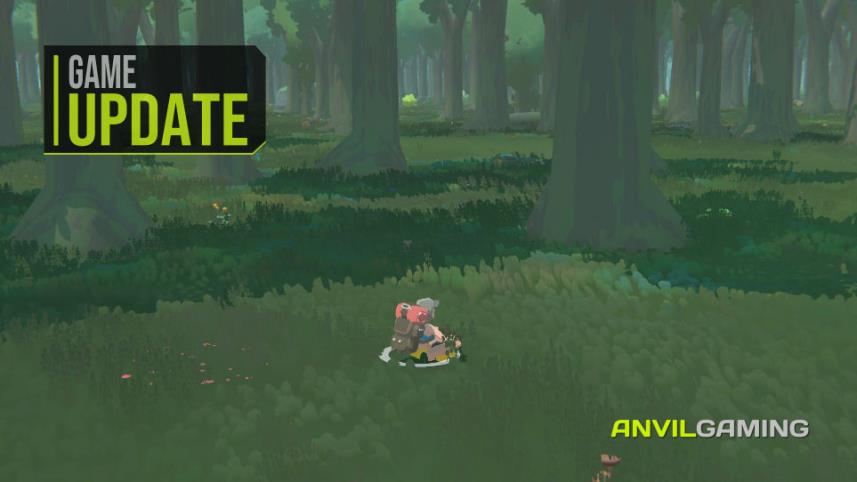
SEED puts you in charge of people who make their own decisions, on a planet that keeps running whether or not you are logged in. One real hour is one day on Avesta. Here is what that actually means to play, what Early Access still gets wrong, and who should not buy it.
Read More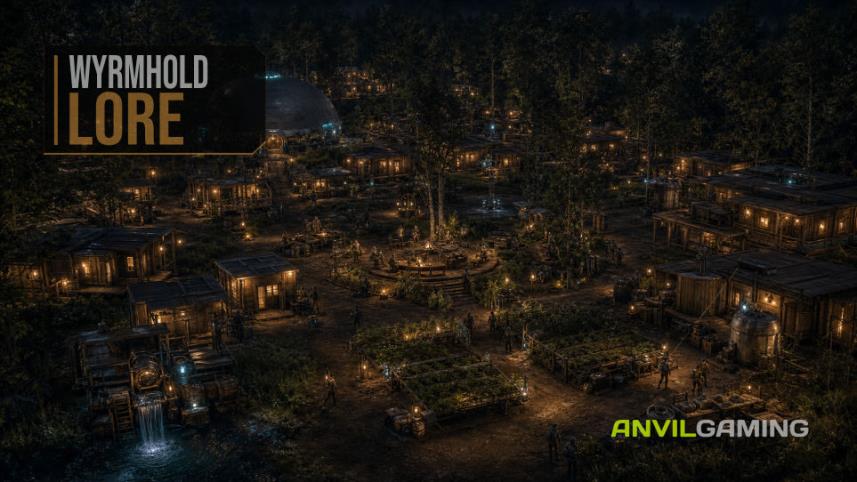
Wyrmhold does not run open recruitment. We take people for a need, after a conversation. This is what the Hold expects of a resident, what it provides in return, who it is honestly not for, and where to come and talk to us.
Read More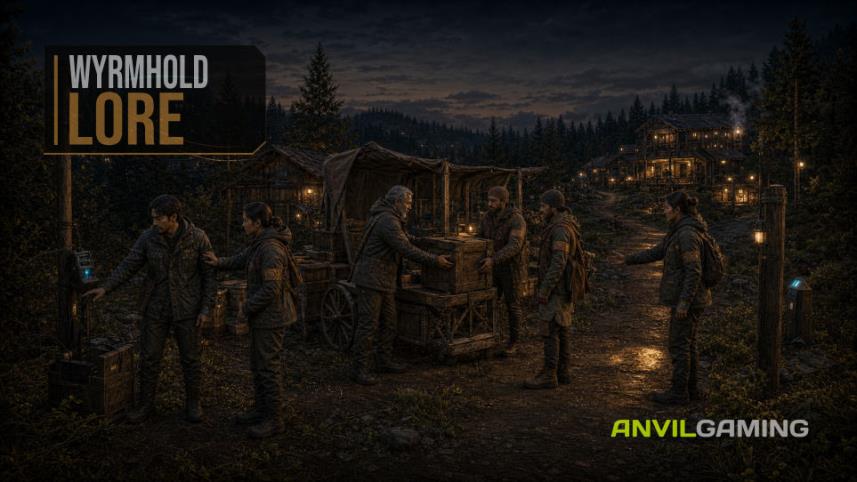
Wyrmhold is our society on Avesta. Its founding stories are not decoration - each one encodes a SEED system that will decide whether your own society survives. Here are three of them, and what they are really about.
Read More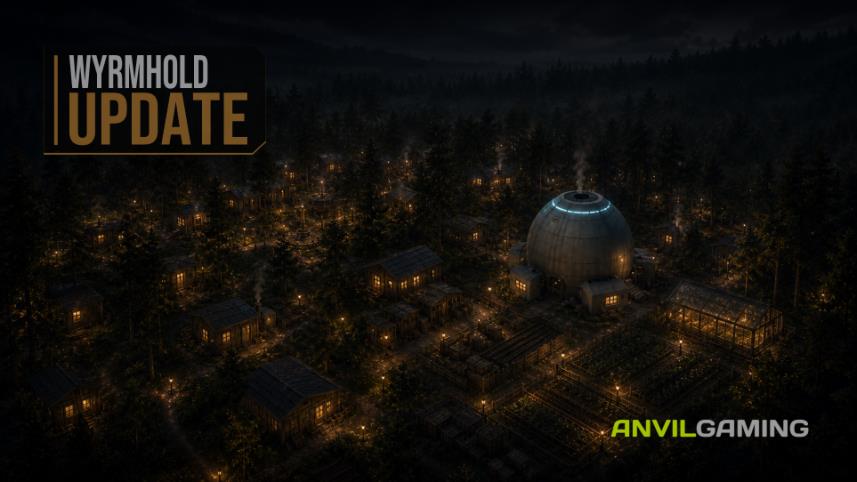
The first record of what Wyrmhold actually did. One month, almost no visible expansion, and a great deal of infrastructure - the survey, the Kernel, the Dragonforge Ward workshops, the Elderwyrm department, an election, and the Hold's first registered business.
Read More