
GAMING
Loading





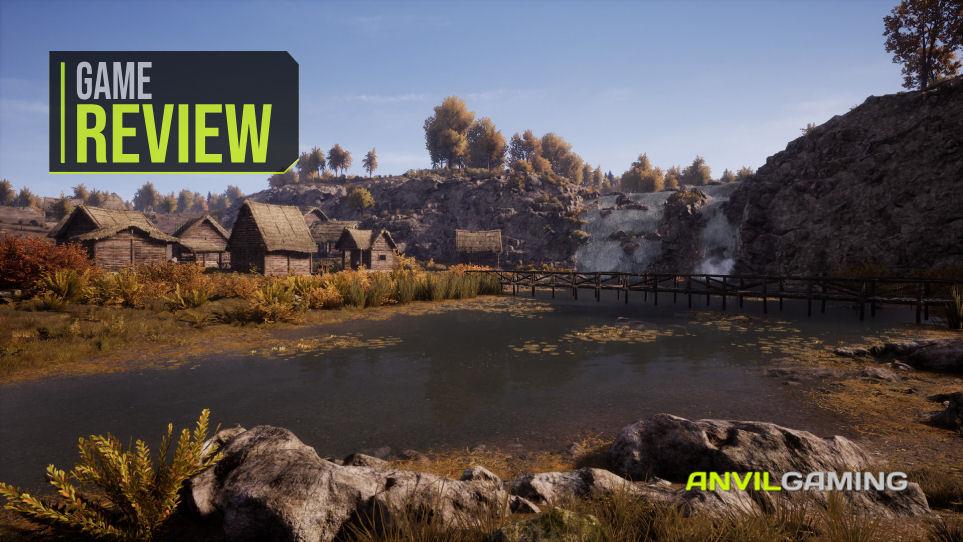
Medieval Dynasty is one of those games that manages to combine several genres I already enjoy and somehow make them work together without any of them feeling like an afterthought.
It is part survival game, part crafting game, part farming simulator and part city builder, all wrapped up in a first-person medieval world where you are responsible for turning a patch of wilderness into a functioning settlement.
I have been playing Medieval Dynasty since July 2023, which gives me considerably more time with it than the usual review window allows. I have watched it grow, returned to it repeatedly and, more recently, started exploring its co-op side with Mr.Pendragon.
I have always had a weakness for city builders, crafting games and survival games. Give me a collection of resources, a patch of land and a menu full of things I can build and I will happily disappear for several hours.
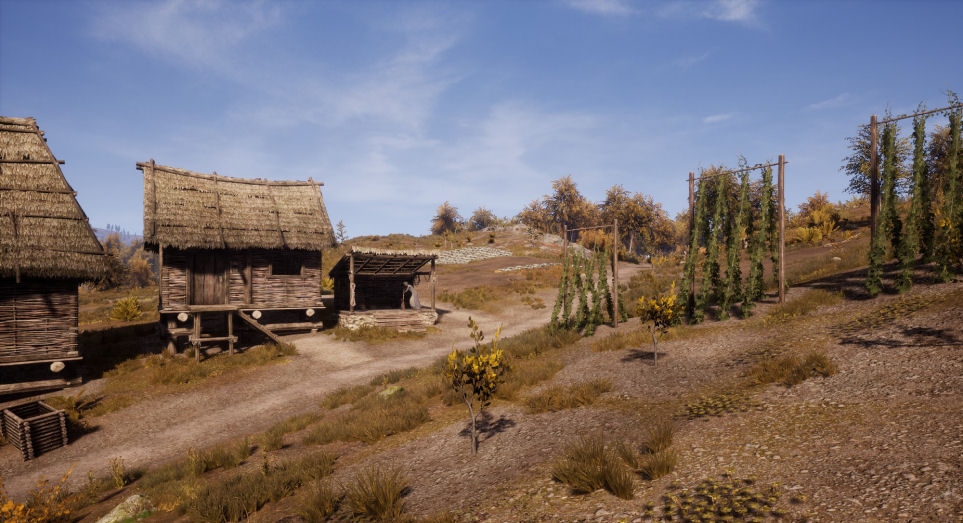
Medieval Dynasty takes that combination and adds something I particularly enjoy: I can actually walk around inside the world I am building. I am not simply placing buildings on a map and watching numbers go up. I am gathering the resources, constructing the houses and then watching people move into them.
More importantly, those buildings actually have a reason to exist.
Our Verdict
Medieval Dynasty combines survival, crafting, farming and settlement management into one of the most satisfying first-person building experiences I have played. The real strength is how naturally those systems work together: you gather resources because you need them, build because your settlement needs something and recruit people because eventually doing everything yourself becomes rather impractical.
It is not perfect. The story quests may feel repetitive on new playthroughs, and the sheer number of systems can occasionally make settlement management feel like a second job. But the freedom to decide how much you want to micromanage, the excellent building mechanics and years of continued development have made it a game I keep returning to.
The Good
The Not As Good

The first thing that makes Medieval Dynasty stand out is the perspective.
You are not looking down at your settlement from above. You are living in it.
That sounds like a relatively small distinction, but it changes how you interact with the entire game. When I build a house, I am not simply placing another structure onto a grid. I am walking around it, deciding where it should go, gathering the materials needed to construct it and eventually watching someone move into it.
The settlement gradually stops feeling like a collection of buildings and starts feeling like somewhere people actually live.
That is particularly effective because there is a reason behind almost everything you build.
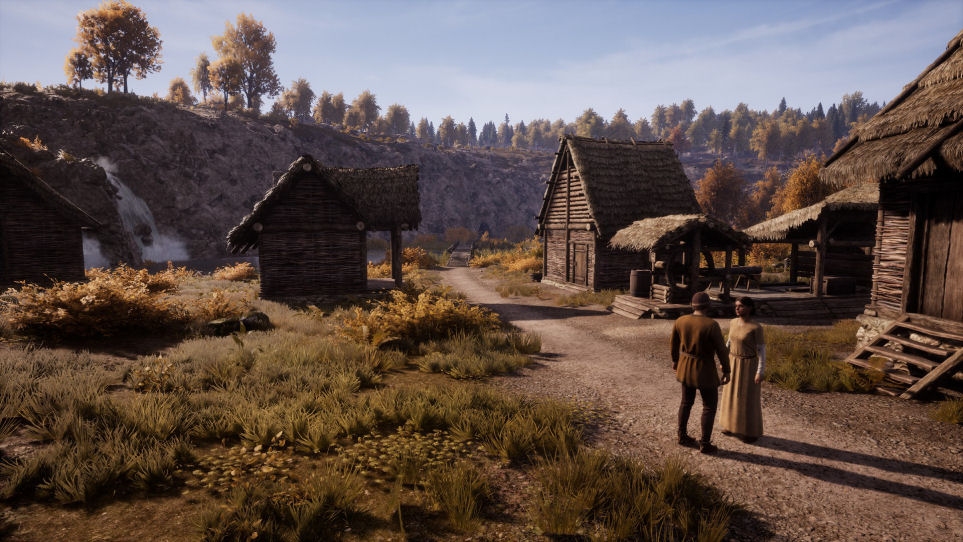
One of my favourite things about Medieval Dynasty is that the buildings are not simply there to make your village look impressive.
You build houses because people need somewhere to live. You build production buildings because you need to produce something. You build storage because it ties into how your settlement's production chains function.
Every new building tends to solve an actual problem.
That makes the progression feel natural. Rather than being handed a long list of structures that exist simply because the developer needed to fill a technology tree, you gradually find yourself thinking about what your settlement actually needs next.

Once you start bringing other people into your settlement, the whole thing becomes considerably more interesting.
You are no longer simply building a place for yourself. You are creating a functioning community.
Residents need homes, jobs and the resources required to keep the settlement running. Assigning people to different roles becomes part of the management game, and watching those systems start working together is genuinely satisfying.
It also gives your settlement a sense of progression that goes beyond simply unlocking better buildings. You can actually see the consequences of your decisions around you.
That is where Medieval Dynasty becomes much more than a survival game.
The management systems are also remarkably flexible.
If you enjoy micromanagement, there is plenty here to keep you occupied. You can decide who does what, manage production, organise resources and keep a close eye on what your settlement is doing.
If that sounds exhausting, you can take a much more hands-off approach.
Once your residents are properly assigned, much of the work can happen automatically. That means I can spend my time doing something else while the settlement continues to function in the background.
That flexibility is one of the game's biggest strengths because it caters to very different types of players. Some people will happily spend an evening optimising production chains. Others would rather go exploring while their villagers get on with things.
Medieval Dynasty is quite happy with either approach.
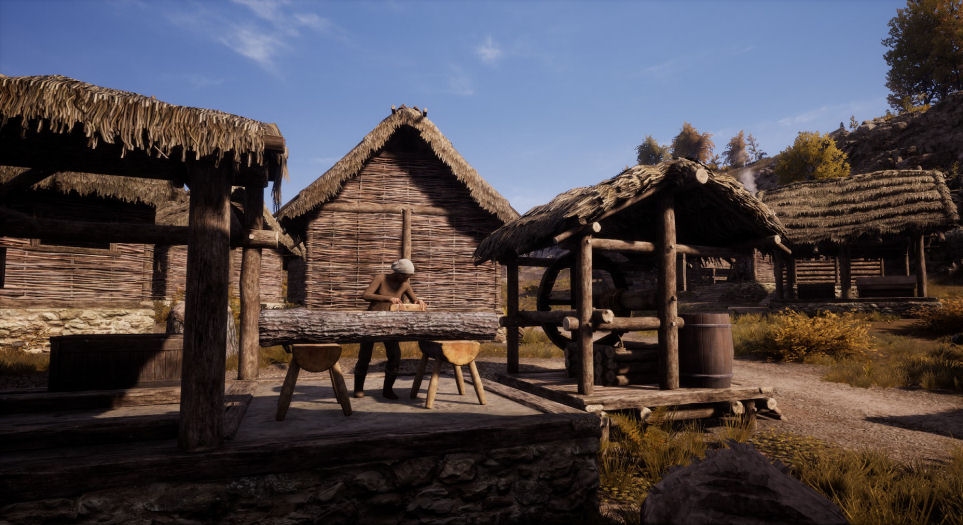
Building systems can make or break games like this, and Medieval Dynasty gets the fundamentals right.
The actions involved in gathering resources, constructing buildings and interacting with the world never feel particularly clunky. There is a surprising lack of friction between deciding that you want to build something and actually getting on with it.
That matters more than it might sound.
When a game revolves around building, you are going to perform those actions hundreds or thousands of times. If the controls constantly get in the way, the whole experience becomes tiring. Medieval Dynasty generally stays out of its own way.

There is something I find slightly dangerous about Medieval Dynasty: I genuinely enjoy starting again.
Usually, restarting a long-running game means throwing away hours of progress. Here, the early game has enough freedom and discovery that I often find myself enjoying the process of building those first few structures again.
There is something satisfying about starting with very little, finding your first resources, putting up your first home and gradually watching the settlement take shape.
The main story quests can be more repetitive by comparison. Thankfully, only some of the quests are required to progress, so you are not constantly forced to repeat story content if that is not what you are interested in.
For me, the settlement itself is the real story.
One of the reasons I have continued returning to Medieval Dynasty is the fact that Render Cube has kept working on it.
The game has now passed its sixth birthday since entering Early Access, and that is quite an achievement for a game that continues to receive meaningful additions.
There have been several relatively inexpensive paid DLCs focused largely on additional decorations and aesthetic options, giving players more ways to personalise their settlements without fundamentally changing what makes the game work.
More importantly, the free updates have continued as well.
The recently released Wild Game update adds new wildlife and trophies, giving players another reason to head back out into the wilderness.
That continued support makes a difference when you are talking about a game built around long-term progression. I am not simply looking at what Medieval Dynasty was when I first started playing it. I am looking at what it has become.
The future is looking interesting too.
Render Cube has announced The Backwood, a new map planned for 2027, along with a Creative Mode.
Creative tools have been a long-requested feature from the community, and it is particularly interesting for a game where building and settlement design are such a major part of the experience.
I am looking forward to seeing what players do with it. After spending years building settlements within the game's existing rules, giving players more freedom to experiment could open up a completely different side of Medieval Dynasty.

Despite having played Medieval Dynasty since July 2023, I only recently started exploring its co-op side with Mr.Pendragon.
This will be a surprisingly different experience.
There is something inherently funny about trying to organise a settlement with another person when you both have your own ideas about what should happen next. Suddenly, the decisions that were previously mine alone become discussions, compromises and occasionally an opportunity to blame someone else when something goes wrong.
The co-op experience is something I intend to explore much further, and we will of course be bringing that to AnvilPlays.
There is a particular type of game that I find extremely difficult to put down, and Medieval Dynasty sits firmly in that category.
It gives you enough systems to keep your brain occupied without making every decision feel like work. You can optimise production if you want to, or simply wander off into the wilderness because you noticed something interesting in the distance or wanted to spend some time on some of the games' quests.
Then you come home, notice that your settlement has been running efficiently while you were away and immediately start thinking about what you should build next.
That loop is remarkably effective.
The real danger is deciding to start another settlement just to see whether you can build it differently this time.
Medieval Dynasty is not perfect, and the repetitive nature of the quests is the clearest weakness for me. And I should make the distinction here, as I have mentioned this a couple of times now. By repetative, I do not mean you get given the same quest over and over. I mean that the dialogue between your character and the NPC becomes repetative when you start over. You know what the outcome is, and will find yourself rushing through it because you don't want or need to read it again. Basically you get choices during dialogue on how you respond but the game largely will have the same outcome when it comes to the quest prerequisites, so you will still just rush through these. But that is not really why I keep coming back.
I keep coming back because the core combination of survival, crafting, farming, exploration and settlement management works incredibly well.
I can build something because I need it, recruit someone to work there, watch the settlement become more productive and then decide what problem I want to solve next.
Or I can ignore all of that for a while and go wandering around the countryside.
That freedom is what makes Medieval Dynasty so easy to recommend to anyone who enjoys these genres. It does not force you into a single way of playing, and its continued development means there is always the possibility that something new will give you another reason to return.
I started playing in July 2023. More than three years later, I am still finding reasons to come back.
Category scores are weighted to produce the final result

Medieval Dynasty manages something that many genre hybrids struggle with: it makes its different systems feel like parts of the same game rather than separate mechanics bolted together.
The first-person perspective makes building a settlement feel personal. The survival mechanics give you a reason to explore. The crafting systems give you things to work towards. The residents make the settlement feel alive, and the management systems let you decide just how involved you want to be.
The fact that Render Cube has continued improving the game for years only strengthens the experience. There are plenty of games I enjoyed for a few weeks and then never touched again. Medieval Dynasty has survived multiple returns, new updates and now a completely different co-op experience.
For a game about building a life, it has done a remarkably good job of building one that I keep wanting to return to.









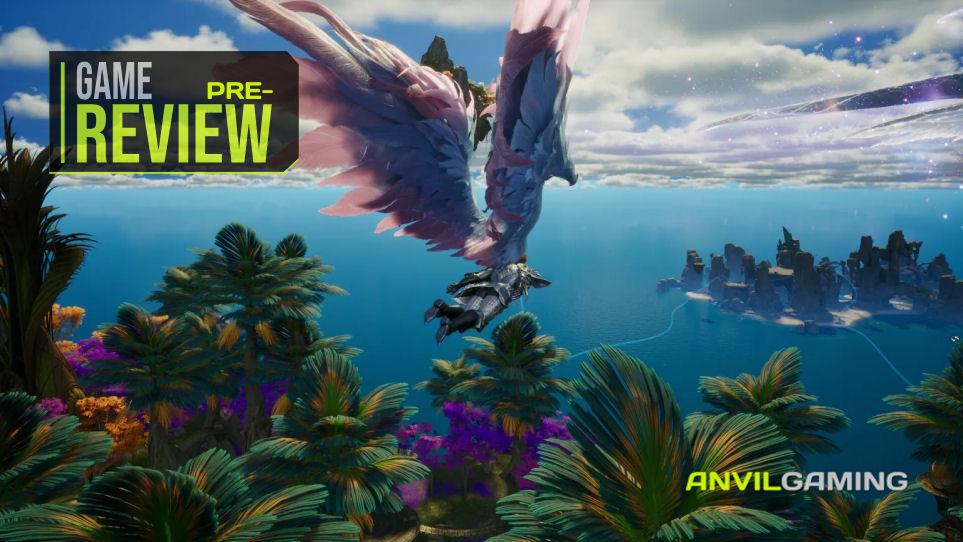
Sixty seconds of Wings was all Aion gave you in 2009. Its sequel lets you fly nearly everywhere, but Korea got it first and found gear upgrades in the cash shop. A day-one verdict on the sky, the combat, the grind, and the Founder's Packs before early access opens.
Read More
Subnautica 2's Buddy System update is here, bringing a host of new co-op features including proximity voice chat, player revives, trading and emotes. We dive into what's new, what it means for multiplayer, and why having a friend nearby might actually make the terrifying ocean slightly more manageable.
Read More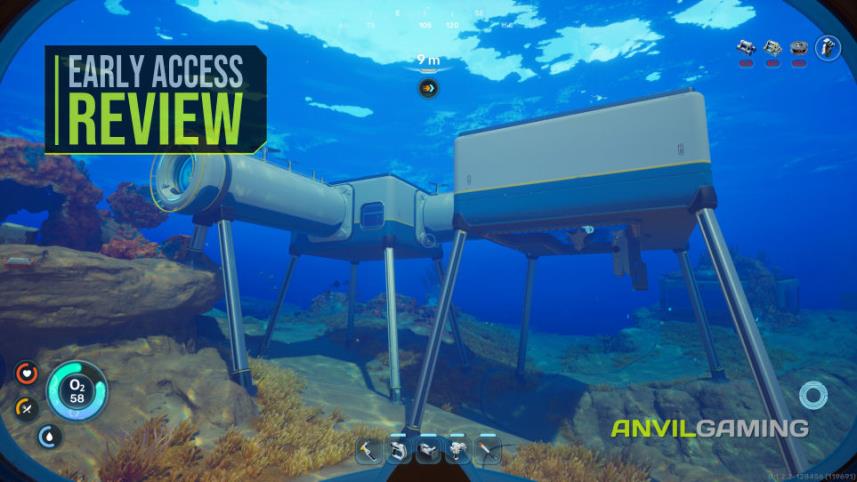
Subnautica 2 takes everything that made the original underwater survival adventure so compelling and drops us into a new alien world, with co-op finally joining the expedition. Beautiful, atmospheric and wonderfully addictive, it is already an excellent survival game despite being in Early Access. We dive into exploration, base building, survival, creatures and whether Subnautica 2 is worth buying now.
Read More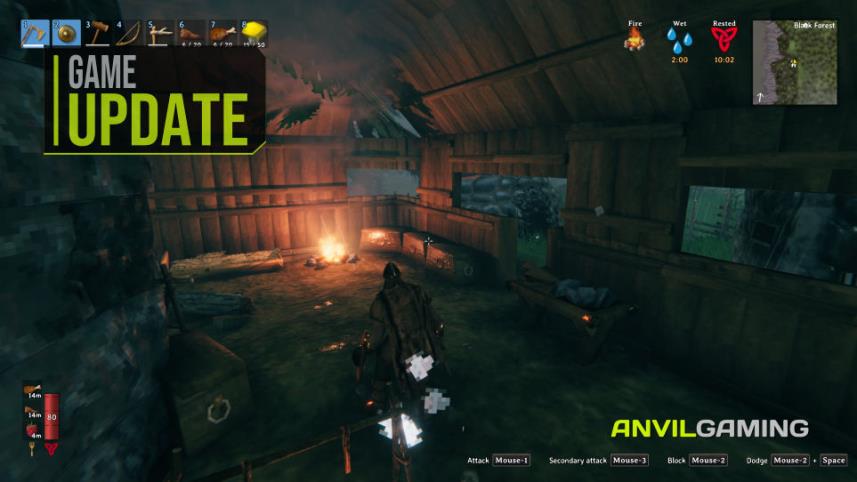
Valheim has finally reached 1.0 after five years in Early Access, but for players who have been there since the beginning, the appeal remains much the same. We look at why Iron Gate's survival game continues to bring us back, from its brilliant building system and rewarding exploration to combat, survival, co-op and the new Deep North.
Read More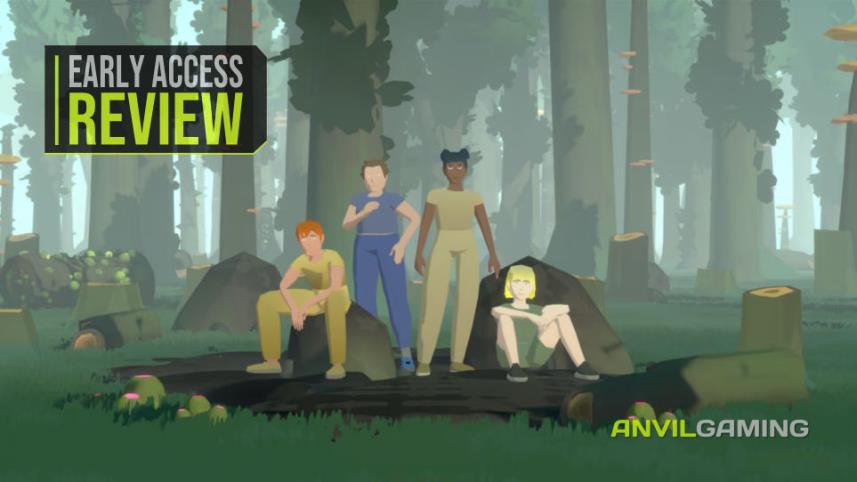
SEED turns work, trade, and survival into a genuinely shared society, but its rough interface and recently troubled economy make this an exciting, qualified recommendation.
Read More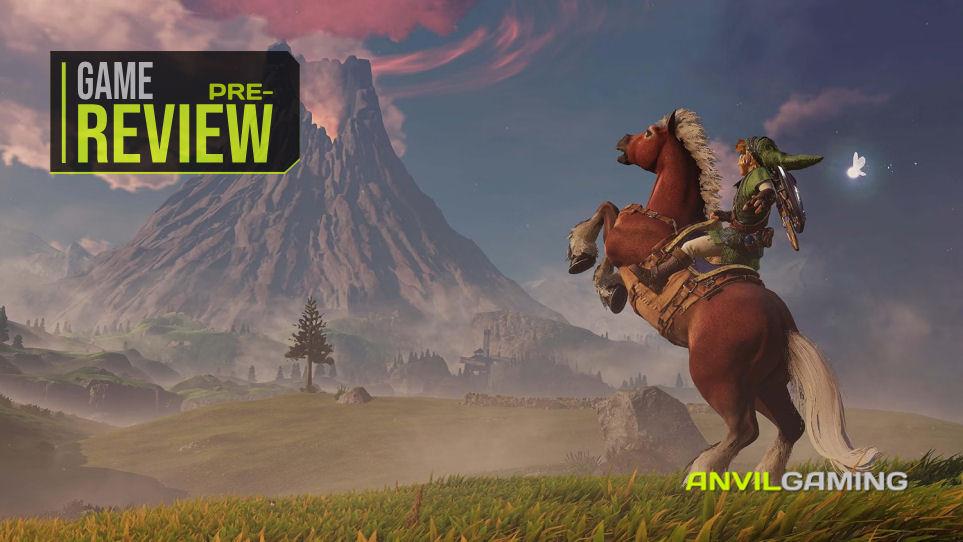
The Legend of Zelda: Ocarina of Time returns on Nintendo Switch 2 in November 2026. We look back at the 1998 classic, examine Nintendo's changes and consider whether this remake can modernise a beloved adventure without losing its identity.
Read More