
GAMING
Loading





Patch 0.3.2 | Notes published 24 August 2026 | Patch releases 25 August
Finite ore, one item hierarchy, sharper governance, and a market that gets safer without getting fixed
SEED 0.3.2 arrives tomorrow with a beach party attached, which is an unusual way to announce that your ore is about to run out. 
Nobody has played this build yet, ourselves included. What follows is our reading of Klang's official notes, and patch notes describe intended behaviour rather than what Avesta does once a few thousand Seedlings push against it. Where a change is meant to work a certain way, we say meant to.
Read it anyway, because the summer event is the smaller half of this patch. The larger half is a set of quiet rule changes to ore, storage, permissions, and progression that will change how your society runs from tomorrow.
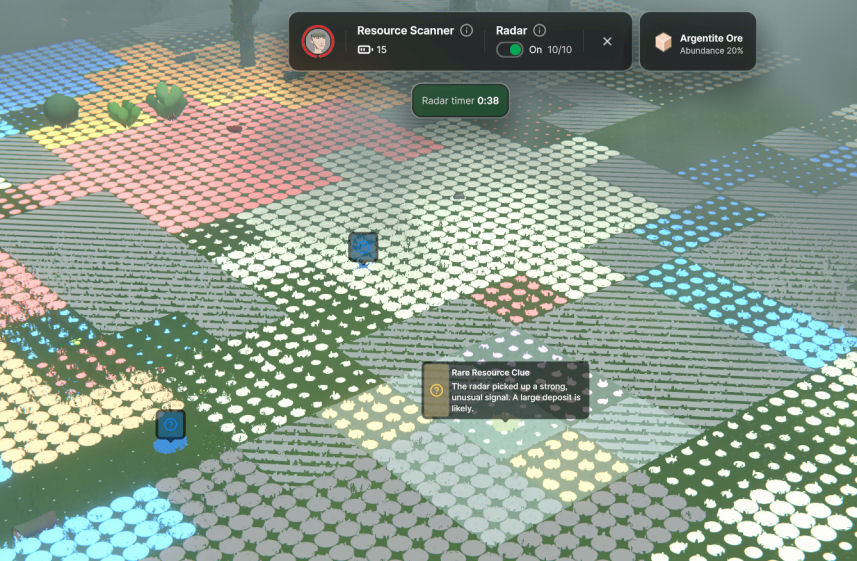
The change with the longest reach is the one that sounds most like housekeeping. From tomorrow's release, underground deposits deplete as they are extracted. Scans and the atlas will show abundance falling, an exhausted vein will read zero per cent, and an extractor's success chance will visibly decline as the deposit runs down. Abundance moves to a one-to-ten scale, extraction cycles run over multiple real hours, and existing extractors will be reset to the new abundance-weighted output. The Small Mineral Extractor can process Bauxite, Rutile, Argentite, and Aurite again.
Read those two changes side by side — deposits that run down, and the compact extractor allowed back onto rare ore — and the bargain is clear enough, though the notes never spell out the reasoning. Our reading is that you get the small machine back precisely because the deposit underneath it becomes a budget rather than a tap.
The consequence for a society is that a rich discovery becomes an opportunity with an expiry date instead of a permanent utility connection. Prospecting data will be worth keeping. Power Cells become a running cost rather than a curiosity. Transport capacity and distant claims start to matter more, which is presumably why the upfront cost of claiming a territory tile falls from 5,000,000 to 2,000,000 SeedCoin in the same patch. The 0.5 per cent daily tax does not change, so a claim gets cheaper to enter and no cheaper to sit on.
The scanner change should make that work bearable. Its prospecting radar runs in the background while a Seedling does something useful, consuming one Power Cell per two-minute round and holding up to ten map pings of possible deposits. You travel to a ping and scan directly to find out what is under it. Prospecting stops being a person standing still in a field.
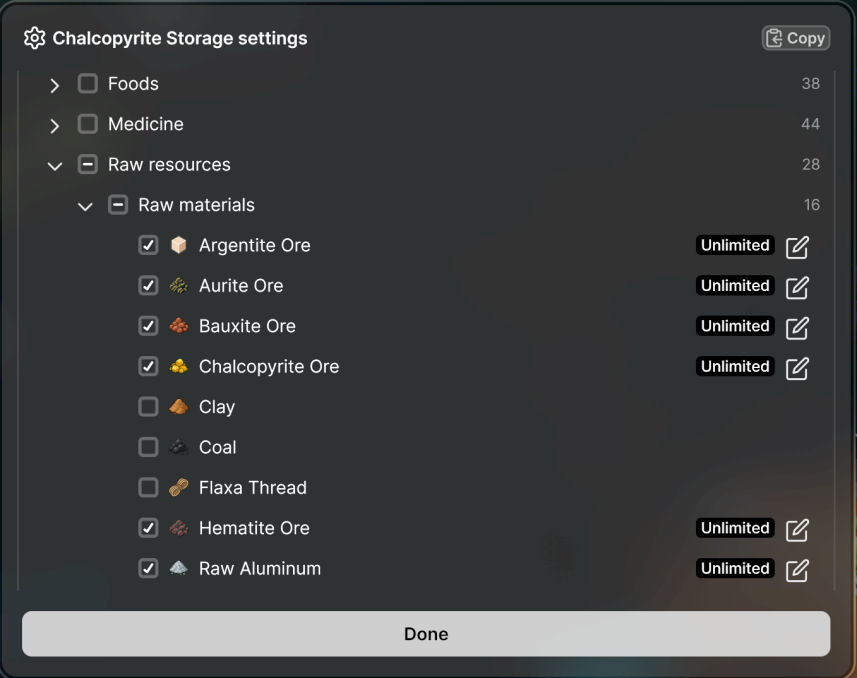
Containers, the market, resource pickers, and the Catalog will sort items using the same categories. Consumables becomes Foods, split into Raw, Meals, and Drinks. Farming becomes Seeds. The overstuffed Furniture category gets broken up.
New labels are not the point. The point is that the same item stops moving house every time you open a different tool.
Container rules inherit the hierarchy, so you will be able to accept a whole category, a subcategory, or individual items and then exclude the exceptions — a drinks store that takes every drink except Murky Water, for instance. The interface shows a summary of what a container accepts and exposes the existing limits of 20 inclusions and 20 exclusions. Klang says your containers keep their current settings under the new categories, and recommends checking them anyway. For a logistics-heavy society, that review is worth an evening: a broad category with two exclusions usually replaces four fragile item-by-item routes.
The redesigned Catalog finishes the job. Entries explain recipes, availability, placement, durability, repair, and freshness properly, and a full-screen crafting-chain view traces a finished product back to raw materials with filters for category, skill, and skill threshold. You will be able to sort by crafting complexity before committing labour and storage to something. In a production game, better information is a form of progression, even if it never appears in a trailer.
0.3.2 addresses several genuinely expensive trade failures. Shipment fees shown on cross-society purchases will actually be deducted rather than quietly ignored. Delivery-business fees will come from the wallet you chose to pay with. Partial shipments will charge you, and pay the seller, only for the units that arrive, and undelivered units return to your resting buy order. A purchase that gets stuck at the seller's spaceport is meant to fail and refund immediately instead of sitting on your money for hours. Buy Now will be greyed out when the destination has no room. Seed Industries is also cutting its prices for Flour, Synthetic Fabric and Treated Wood by around 20 per cent, which may move local price expectations once the patch lands.
Those are the right fixes. They are not the same as an all-clear.
Klang's own market status report, published on 21 August, described orders that could not be cancelled, the baffling “Sold 0 of 0 units” state, goods or payment disappearing in some failure cases, locked SeedCoin and unreliable automated trading. The 0.3.2 notes do not claim to have closed every one of those, and Klang has promised an answer on compensation for lost goods and SeedCoin by 28 August. Until that arrives, the studio's own temporary advice still reads as the sensible operating procedure: avoid high-value orders, clear your destination storage first, keep your order IDs, and do not relist goods that are tied up in a stuck order.
The governance section is short and easy to skim past, which would be a mistake.
An organisation role with a shift schedule will grant its permissions only while the shift is active. Outside those hours, the employee resolves as a visitor and loses workplace access. That is a sensible rule and a very good way to lock your own foreman out of the workshop at 2 am if nobody checks the rota against the building permissions first.
Town officials will be able to seize a privately owned building as well as a plot. At the Settlement and Town tier, any Seedling can start and vote on a banishment. City tier changes that: up to five elected Judges appear, only Leaders and Judges can start or vote on banishments, and Judges can assign the Criminal role. A banishment proposal will also need at least three different players in the society to hold the relevant permission.
Taken together, that is a recognisable path from broad participation to delegated authority — and three new ways for a society to have its first genuine constitutional argument. Building seizure affects ownership. Shift rules affect access. A small elected group controls exile. If your society has not written down who may seize property, what evidence a case requires, how disputes are recorded, and how a Judge is held to account, 0.3.2 hands you powers with no procedure attached. The software can grant authority. It cannot supply legitimacy.

A fundamental progression bug is being corrected: skill XP will be based on the full duration of an activity rather than only its final short wait, and Klang says farming XP gain was largely increased. If you have planned staffing around the old pace, your training estimates are about to be wrong in your favour, which is a pleasant sort of wrong. Watch progression after maintenance before making long-term labour decisions, because eligibility for high-level recipes and society goals may arrive faster than your roster expects.
Production machines also stop punishing absence quite so hard. An output nobody hauls away will time out after one simulation hour instead of stalling the machine indefinitely. A failed activity will stop production immediately rather than freezing it for up to 12 simulation hours, and a rejected task change will produce an error dialog instead of failing silently.
The best small change in the patch: when a Seedling dies, the resources it was carrying will move to your Orbital Storage instead of being deleted, and the death popup lists them. Death stays permanent. It just stops being an unexplained tax on whatever the poor soul happened to be holding.
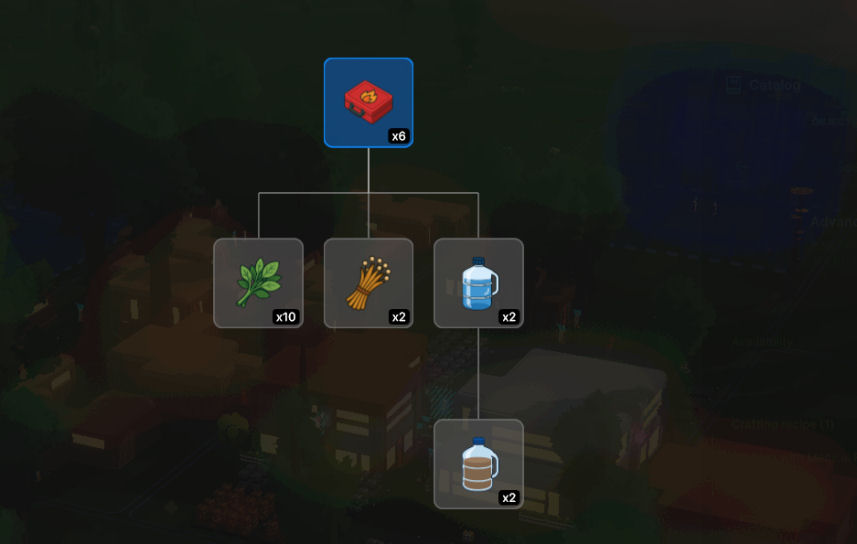
The visible feature is Summer Days: 11 limited-time quests, 12 craftable swimsuit pieces, parasols, towels, taking a dip, sunbathing, sunscreen, and Corn Juice.
The detail that makes it more than a cosmetic drop is Sunburn — a new injury with several severities and ways to treat it. That plugs a seasonal theme into SEED's existing health, crafting, and service systems, so a society that wants a decent beach day will need leisure space, clothing production, drinks, and medical supplies. Events that create work inside the simulation are worth more than events that sit beside it handing out rewards.
Klang has not published an end date, so start the quest chain early rather than assuming it will wait for you.
It looks like a connective-tissue patch, and that is a compliment.
The summer event supplies an immediate reason to log in. The lasting value should sit in systems that finally agree with one another: one item hierarchy across every logistics tool, depletion that gives scanning a purpose, schedules that genuinely govern permissions, work time that genuinely governs XP, and trade failures that bill and refund the right party. Those connections are what separate a society simulator that feels dependable from one that merely feels complicated.
The caution is the one that follows every Early Access patch. A long list of fixes proves active development, not the absence of live edge cases, and market reliability, autonomous behaviour and cross-society logistics are the places to watch once maintenance ends. On the evidence of the notes, though, 0.3.2 should make Avesta easier to run, easier to read and more interesting to explore. That is the kind of progress SEED needs between its larger milestones.











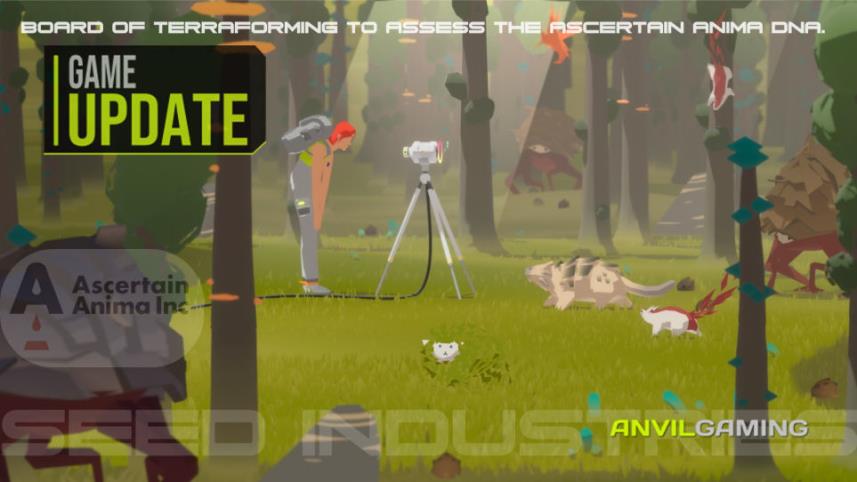
SEED's Dezima Donations event is coming to an end, but the story surrounding it may be far from finished. Spark posts have revealed an Axiom attack, a laboratory breach and DNA reaching Avesta's surface. Now, with a suspicious image showing animals and an unexpected reward teased, we investigate whether Klang has been quietly preparing the planet for new life.
Read More
Klang named its own broken system in public and came back three days later having fixed it four separate ways. The fix list is long enough to finally itemise what trade was costing people. The drone rebalance is the bill, and it charges only those who tidy up.
Read More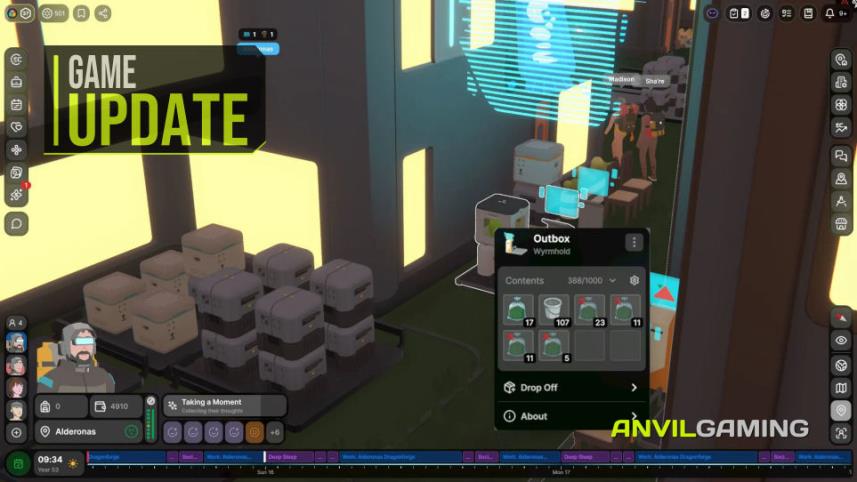
Klang says SEED market failures have fallen from roughly 20% to 4%, but that is not an all-clear. Buyers need free inbox space and scheduled haulers, while responsibility for a lost shipment can change at the Spaceport. Here is who carries the risk now.
Read More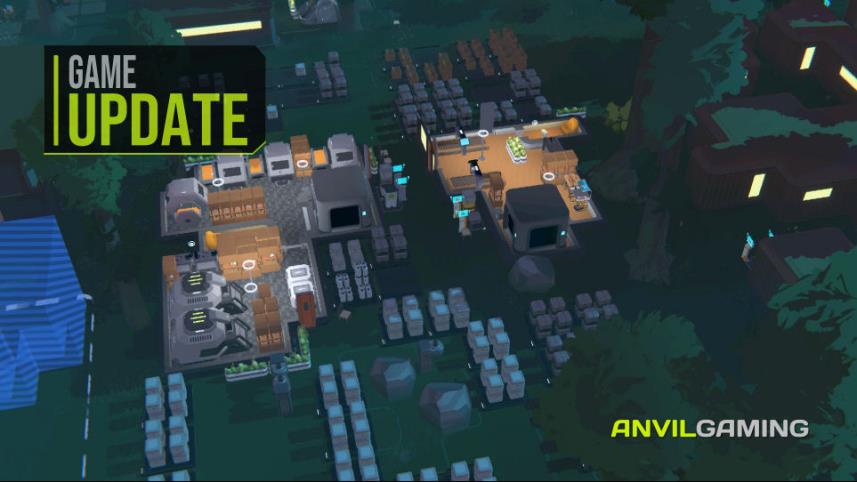
SEED 0.3.4 takes rare ore out of repairs, teaches schedules to explain their failures and stops trees growing back. It also rebalances storage - and because the new capacities only apply to containers you move, tidying up is now the most expensive thing you can do.
Read More
Mundi hosted the Covital Show on SEED's official channel and put the roadmap on screen. 0.4 is City Life - law and order, electricity, organisations, building subdivision, bars. And the board says we are nowhere near the end of it.
Read More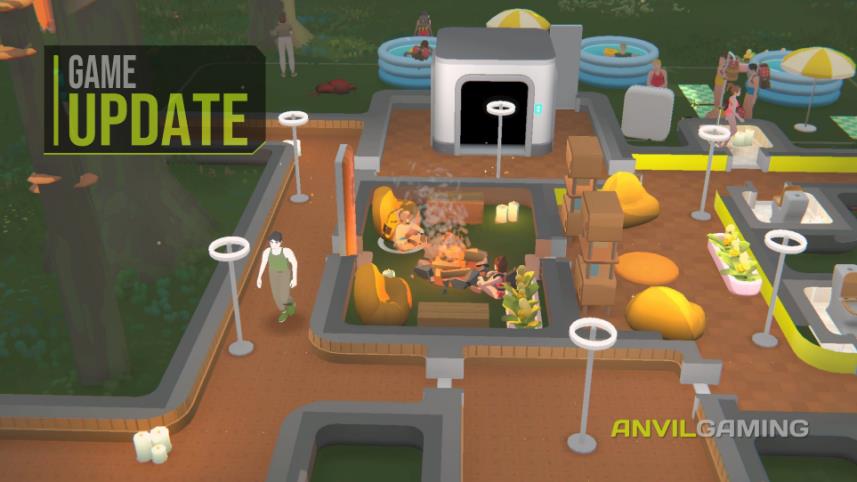
SEED 0.3.3 caps a single Cultivator's votes at 15% of the society population, puts a price on firing a Seedling, and spends the rest of a very long changelog teaching the game to explain its own failures.
Read More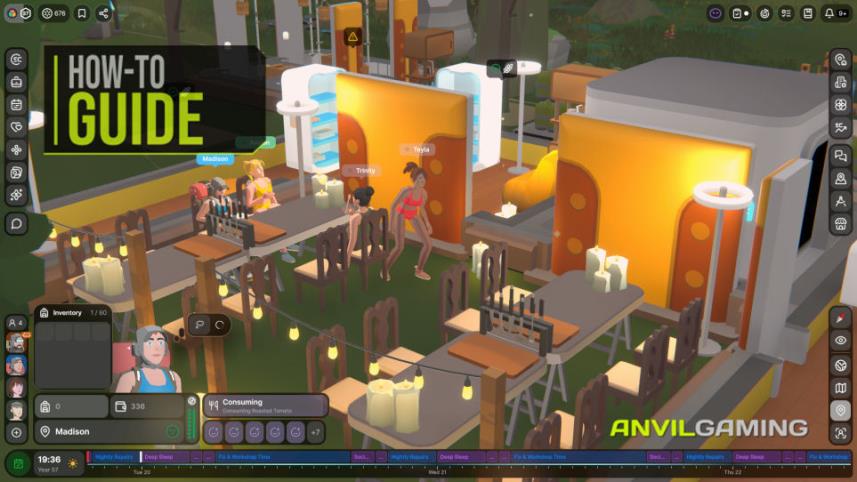
Your Seedling isn't lazy - it's following orders. Every event in SEED's Scheduler has its own priority list, and anything past the top few is wallpaper. How events work, why needs deserve their own hour, when a direct order beats the schedule, and a week you can copy.
Read More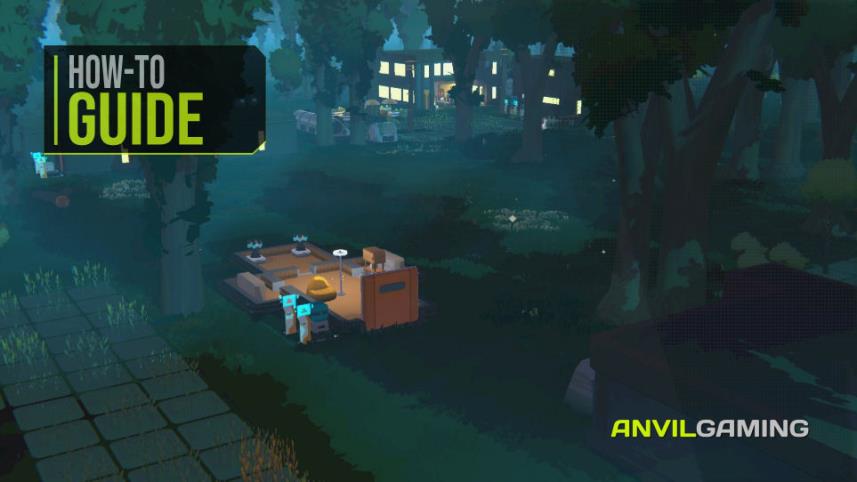
A SEED hospital can have a skilled doctor, medicine on hand, and opening hours, yet still collect one-star 'wasted visit' reviews. This guide turns seven weeks of community troubleshooting into one current setup for services, staffing, stock access, and patient schedules.
Read More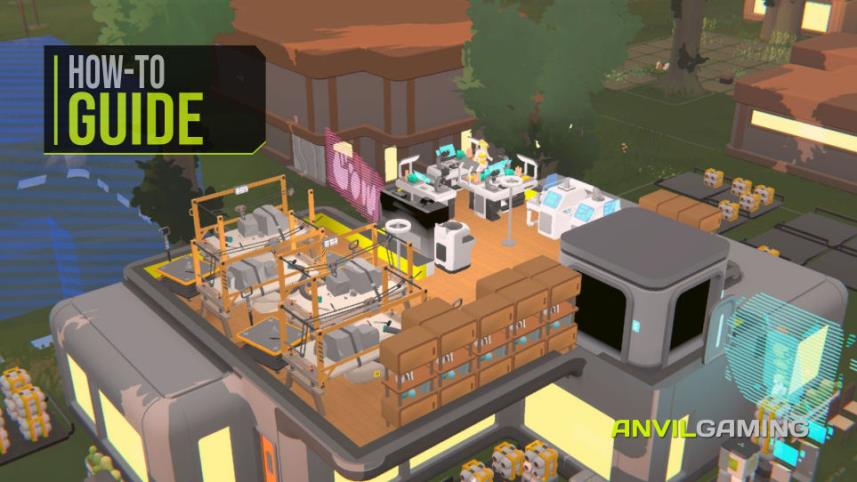
Every crafting task in SEED shows three times, and most players read the wrong one. Total Time only says when the output appears - Work Time is what the job actually costs your settlement. Read them that way and the obvious recipe is often the expensive one.
Read More
Health in SEED is not a bar you refill. It is a system of specific conditions, severity tiers and sixteen medical specialisms — and the serious end of it depends on other people.
Read More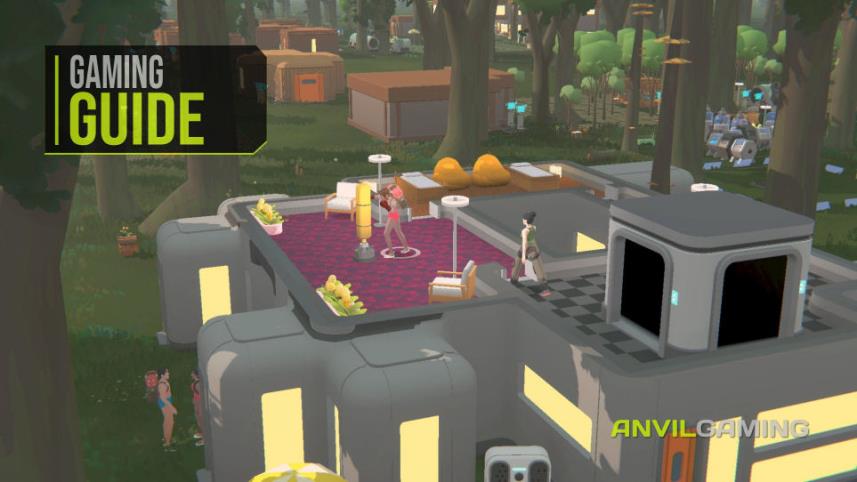
What a Seedling does while you are away in SEED — what keeps running, what it decides for itself, what degrades and how fast, and how to end a session so you come back to a life rather than a mess.
Read More
SEED puts you in charge of people who make their own decisions, on a planet that keeps running whether or not you are logged in. One real hour is one day on Avesta. Here is what that actually means to play, what Early Access still gets wrong, and who should not buy it.
Read More
Wyrmhold does not run open recruitment. We take people for a need, after a conversation. This is what the Hold expects of a resident, what it provides in return, who it is honestly not for, and where to come and talk to us.
Read More
Wyrmhold is our society on Avesta. Its founding stories are not decoration - each one encodes a SEED system that will decide whether your own society survives. Here are three of them, and what they are really about.
Read More
The first record of what Wyrmhold actually did. One month, almost no visible expansion, and a great deal of infrastructure - the survey, the Kernel, the Dragonforge Ward workshops, the Elderwyrm department, an election, and the Hold's first registered business.
Read More